In July, orchid care often changes on its own. A windowsill gets warmer, a greenhouse heats up more quickly, and pots sometimes dry out much faster than in the spring. For some orchids, this isn’t a problem. In fact, with the right combination of heat, humidity, light, and air circulation, summer can actually be a period of vigorous growth.
Still, “heat-loving” is a term that’s easily misunderstood. A heat-loving orchid isn’t automatically a plant that can be left carefree in full sun, or that can be shipped through extreme heat without risk. Heat only works well when the rest of the conditions are right.
In our greenhouse, we see this most clearly in the roots. Plants that are actively growing, producing new root tips, and receiving sufficient moisture often react very differently to summer heat than plants that have just been repotted, recently imported, or still have few active roots. That’s why, in the summer, we look not only at the species name but also at the plant’s condition and the location where it will eventually be placed.
What does “warm-growing” mean for orchids?
With orchids, we often talk about cool-, intermediate-, or warm-growing types. This refers to the temperature at which a plant grows best, either in the wild or in cultivation. Warm-growing orchids often originate from tropical lowland areas or environments where temperatures remain relatively high for much of the year.
That doesn’t mean they like dry heat. In nature, many orchids grow as epiphytes on trees. There, they receive warmth, but also air movement, morning dew, rain showers, evaporation, and shelter from the harshest sun. Behind glass, things are different. A warm windowsill with no air movement can be more stressful for an orchid than a warm greenhouse where the air is humid and keeps circulating.
The most important rule for summer is therefore simple: warmth must be supported by sufficient moisture, air circulation, and filtered light. Without that balance, even a heat-loving orchid can become stressed.
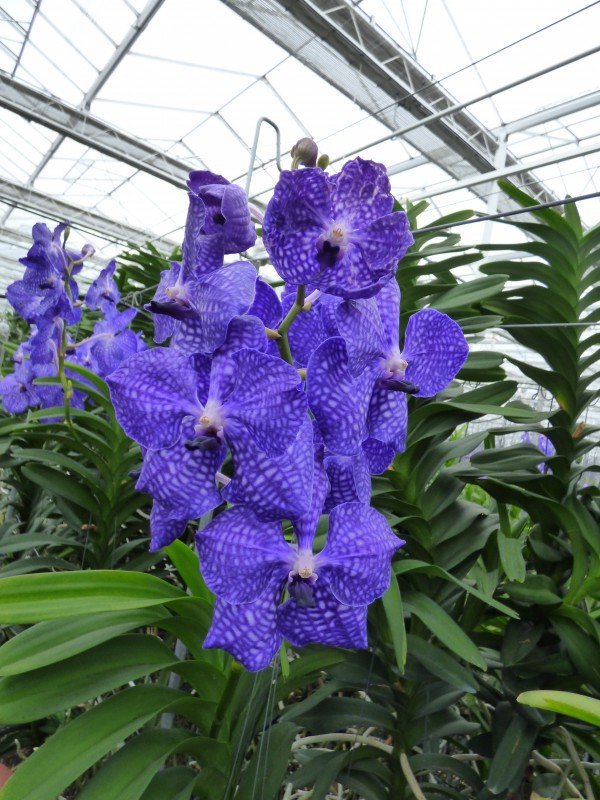
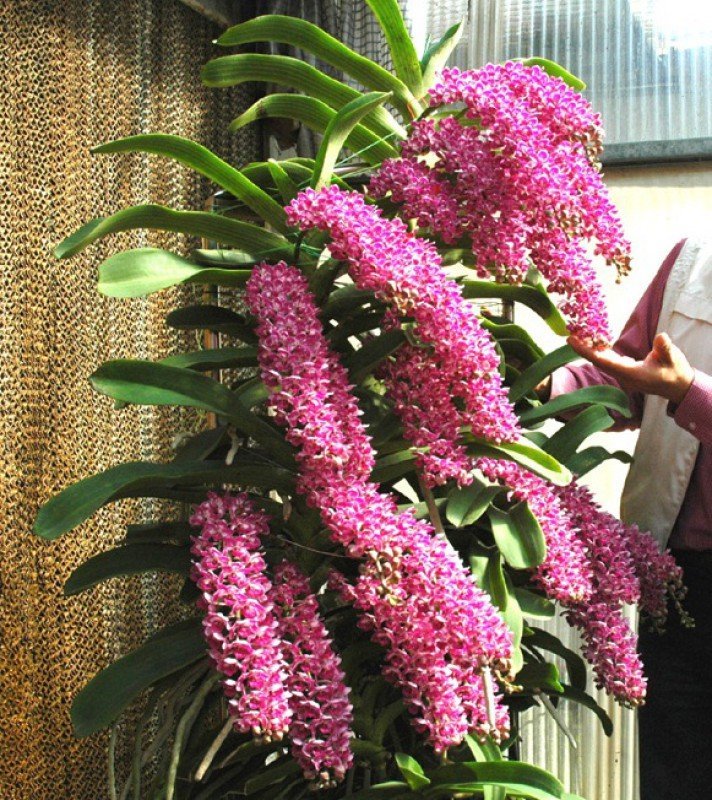
Vandas: plenty of light, plenty of air, and plenty of moisture
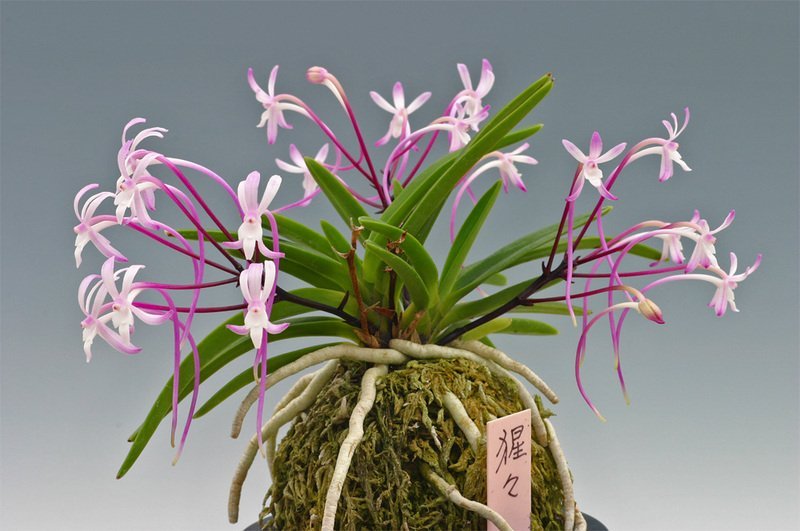
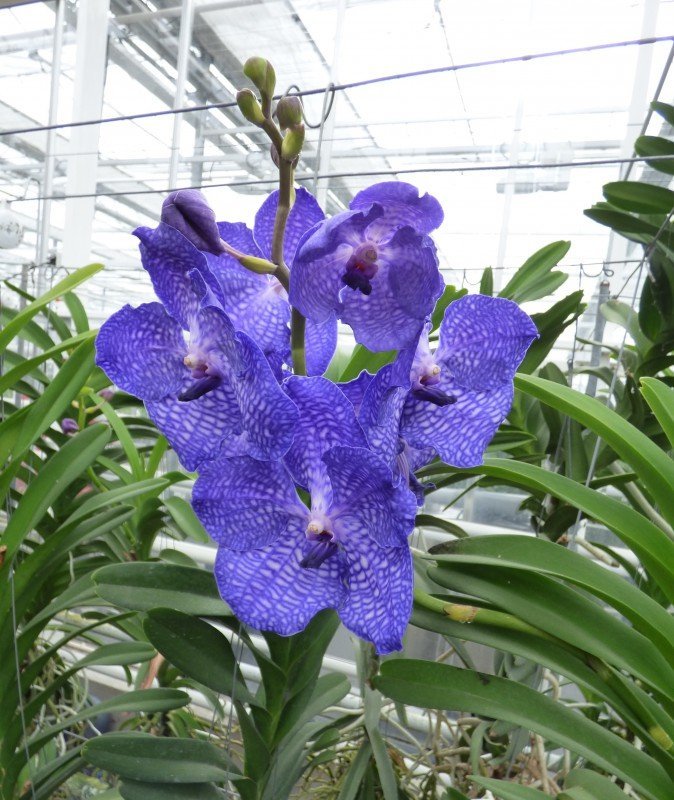
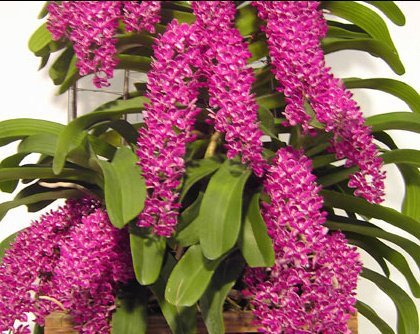
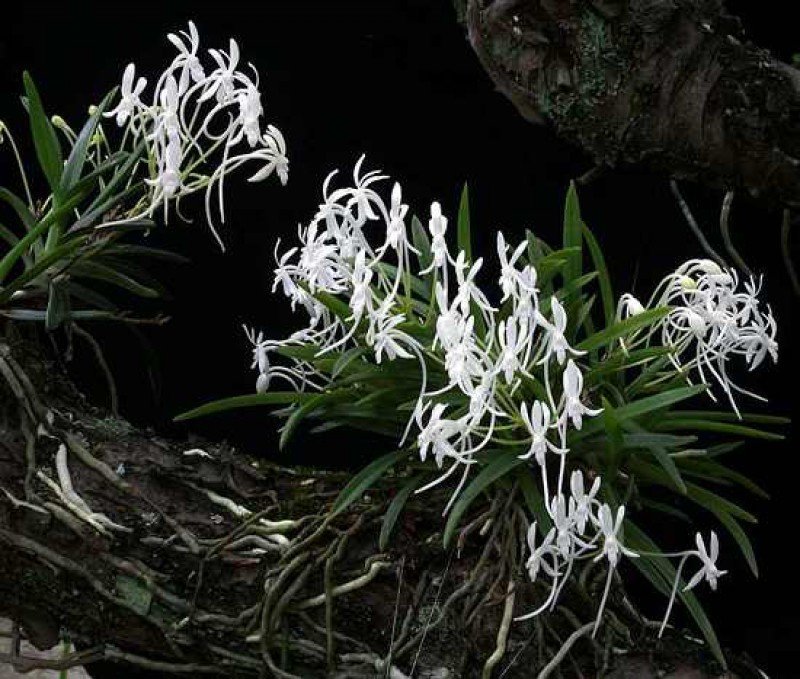
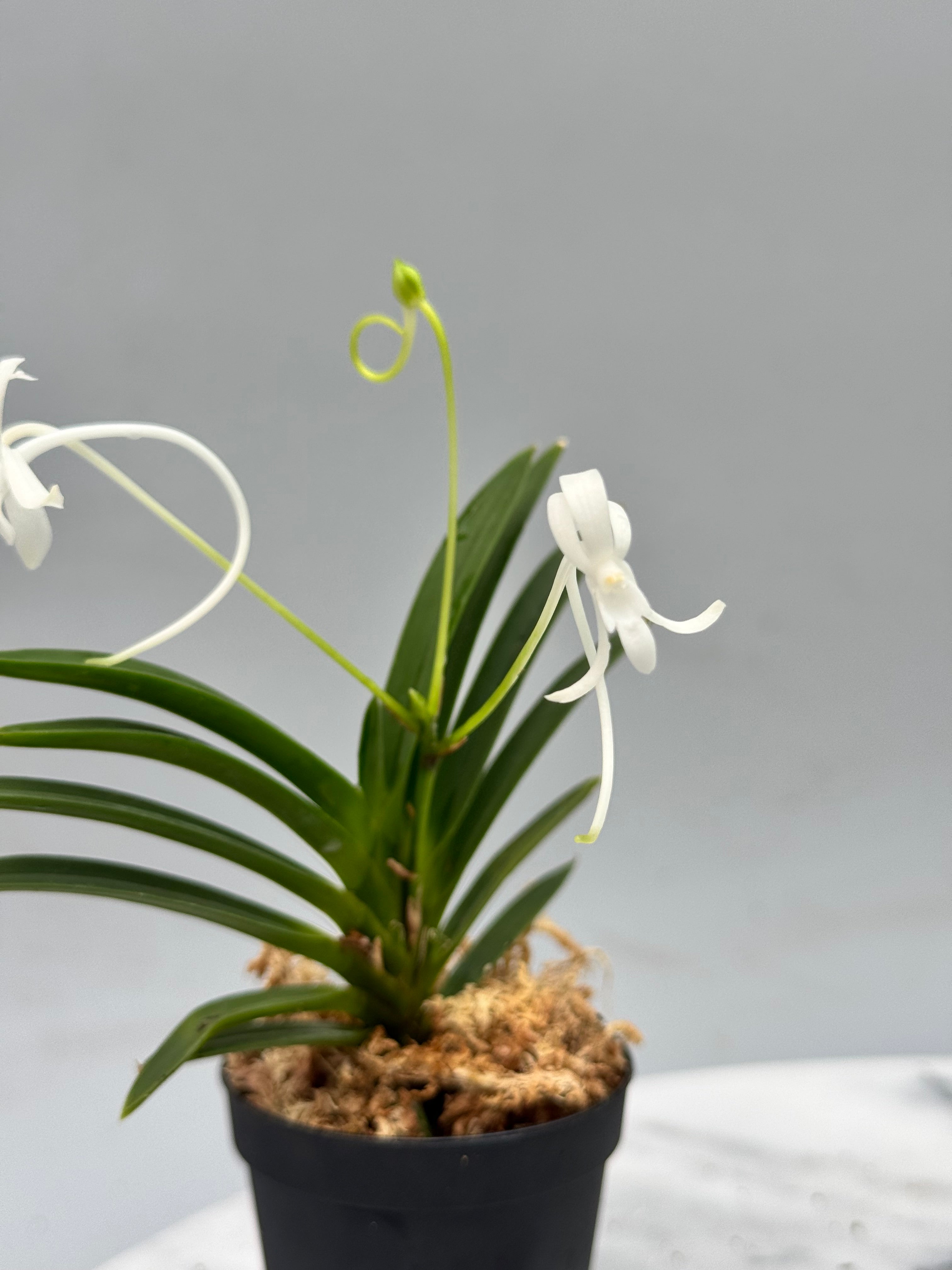
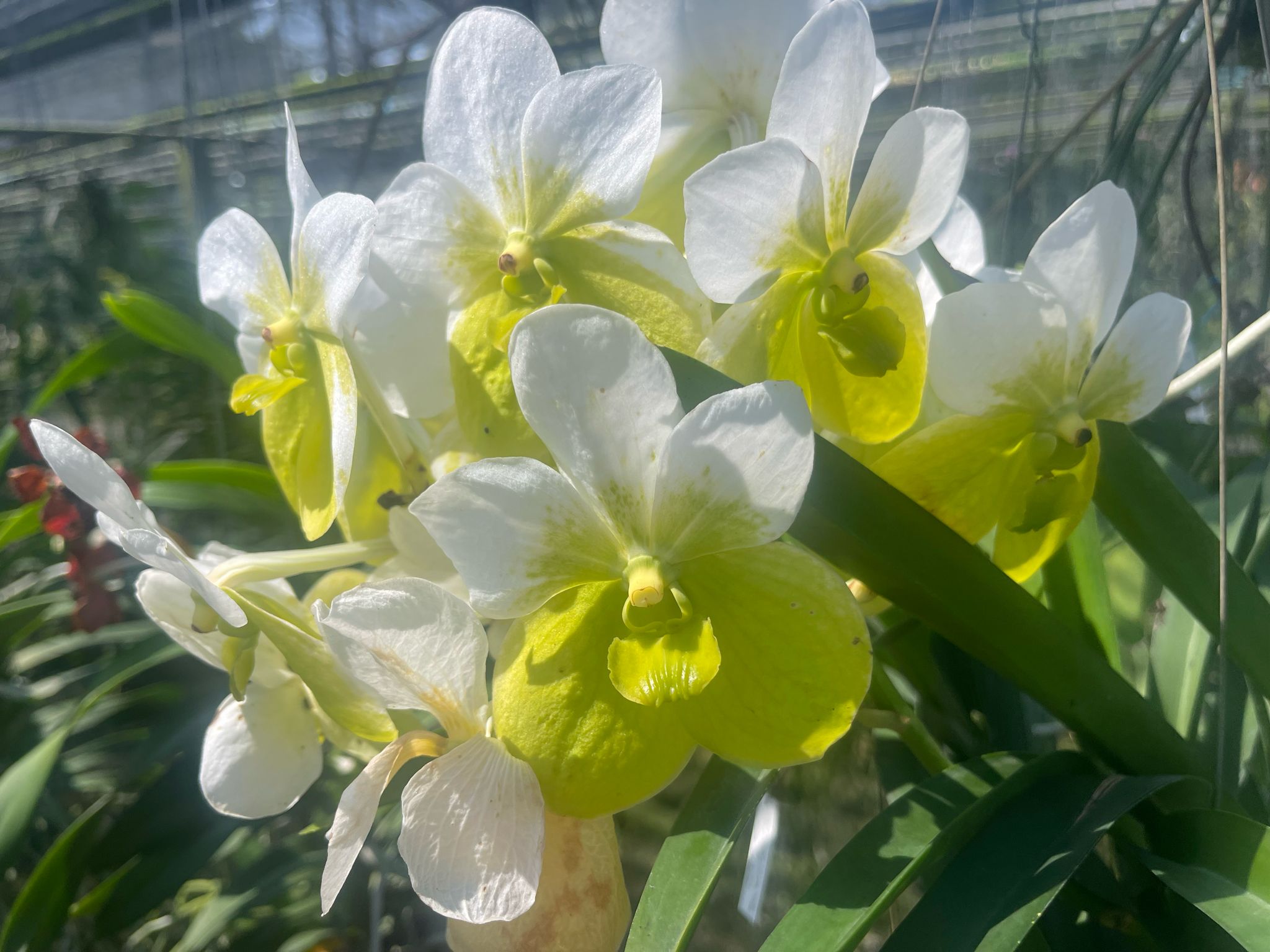
For many enthusiasts, Vandas are the first orchids that come to mind when thinking of warm conditions. That makes sense. Many Vandas and Vanda-like hybrids thrive in warmth and plenty of light. They have sturdy aerial roots that quickly absorb water and then dry out again.
It is precisely these roots that reveal what this group needs. A Vanda can grow vigorously in the summer, but only if it doesn’t consistently dry out. Plants kept hanging or with freely growing roots often need watering much more frequently in warm weather than potted orchids. Sometimes daily soaking or misting is necessary, depending on the humidity and location.
On the other hand, Vandas generally do not thrive in stuffy, dark spots. They need light, air, and space around their roots. However, bright midday sun through a window can be too intense, especially for young plants or those not accustomed to direct sunlight. Bright, filtered light is usually safer.
Vandas are therefore particularly well-suited for enthusiasts who can water them regularly and have a bright spot available. For a dry living room where there’s little time for care, a Vanda is often a less practical choice.
Phalaenopsis: warm enough for the living room, sensitive to bright sun
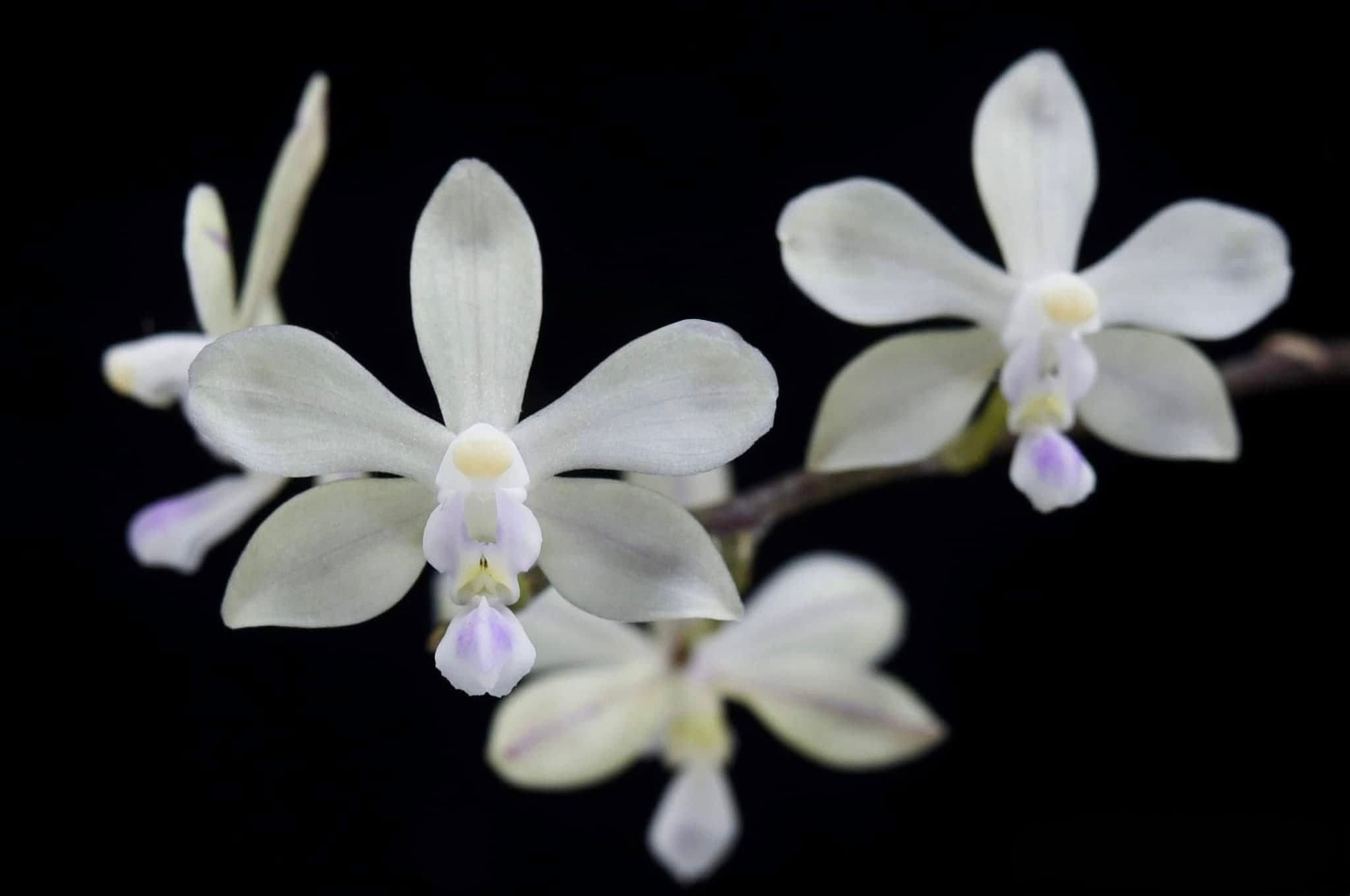
Phalaenopsis is a very different type of orchid, but it’s also a group that often thrives in warm living rooms. Many Phalaenopsis species and hybrids thrive in consistent, warm conditions and have therefore been successfully grown as houseplants for many years.
In the summer, the main risk for Phalaenopsis usually isn’t normal room temperature, but direct sunlight through a window. The leaves are relatively broad and can quickly sustain damage when the sun shines too brightly through the window in July. A bright spot without harsh midday sun is better than a spot where the leaves feel warm to the touch.
Watering also requires more attention in the summer. A Phalaenopsis in fine bark can dry out faster than expected. A plant in sphagnum moss or a moister mixture, on the other hand, stays wet longer. It’s therefore better to check the roots and the potting mix rather than follow a set schedule. Silver-colored, dry roots usually need water sooner than fresh green roots in a pot that’s still moist.
For many customers, Phalaenopsis remains one of the most logical choices for a warm living room, as long as the plant is placed in a well-lit spot, doesn’t get sunburned, and isn’t kept constantly wet.
Cattleya and Brassavola relatives: summer growth with a distinct drying-out period
Cattleya orchids and many related hybrids can respond strongly to heat and light in the summer. They produce new shoots and new roots and build up energy for later blooms. Their pseudobulbs also provide them with some reserves, allowing them to tolerate short dry spells better than orchids without storage organs.
This does not mean that Cattleya orchids should be kept dry during active growth. When a new shoot and new roots are visible, the plant actually requires sufficient water and nutrients. The main difference lies in the drying-out period: Cattleya orchids generally prefer not to be constantly wet. A well-aerated growing medium, good drainage, and a clear drying-out period between waterings are important.
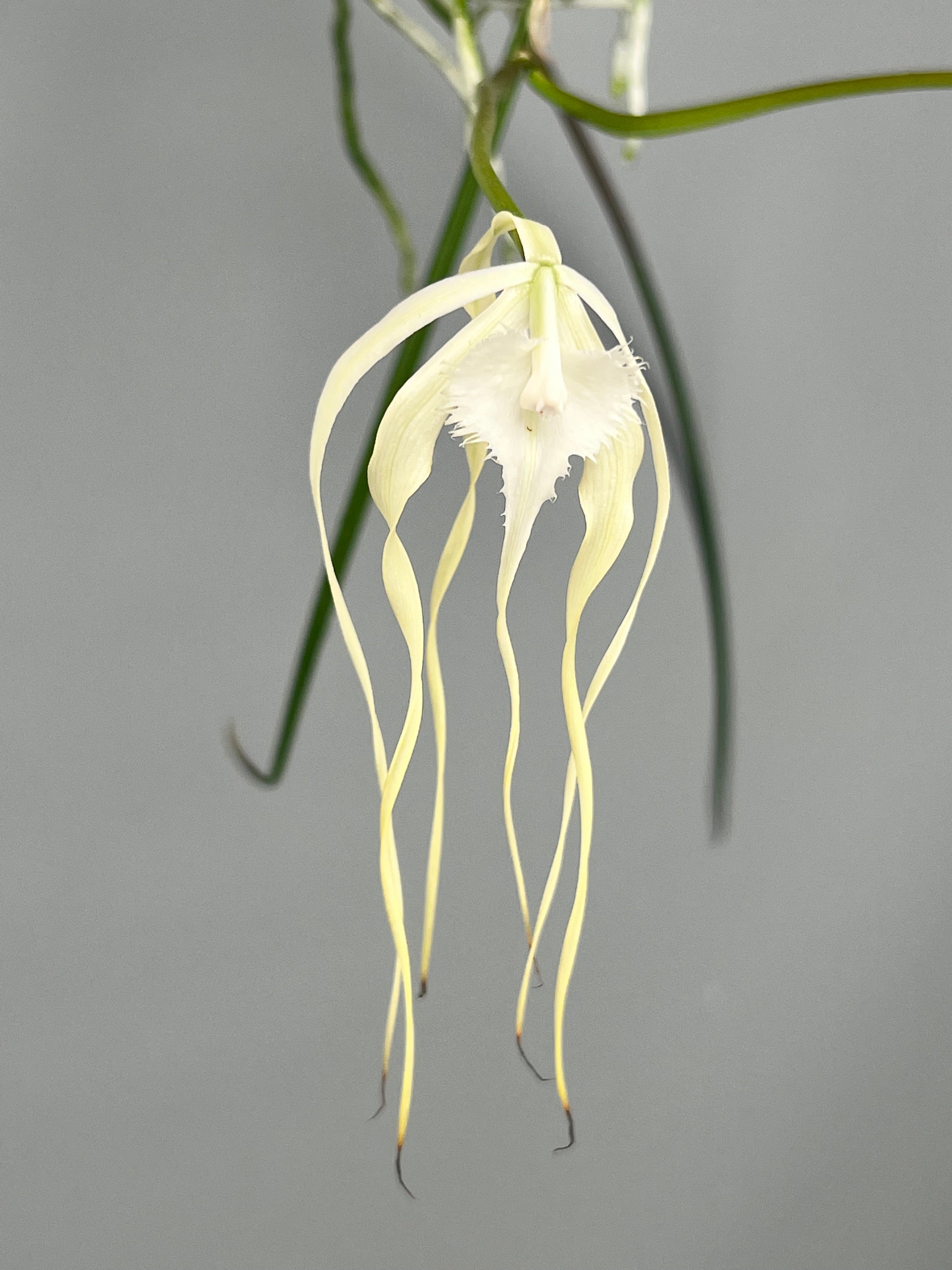
Brassavola influence can be beneficial for warm, bright conditions. Many Brassavolas and Brassavola hybrids thrive in an airy growing environment and with relatively high light levels. Here, too, nuance is important: plenty of light is not the same as blazing midday sun through a window.
This group is well-suited for people who have a bright windowsill, sunroom, or greenhouse and who want to learn to observe growth stages. When a Cattleya is actively rooting, it can tolerate a lot during the summer. When it has just been repotted or has few roots, care should be introduced more gradually.
Dendrobium: First, determine which type you have
Dendrobium is one of the largest orchid genera and, as a result, one of the groups where general advice can easily go wrong. Some Dendrobiums continue to grow actively in warm conditions. Other types, on the other hand, need a cooler or drier dormant period to bloom well.
That’s why saying “Dendrobium can tolerate heat” is too simplistic. With Dendrobium, you must always consider the specific type. Warm-climate, evergreen Dendrobiums can be very active in the summer. They produce new shoots, root vigorously, and require ample water and nutrients during this time. Other species, however, do not respond as well to prolonged heat, especially if they originate from cooler mountainous regions or require a distinct dormant period.
For the online store, this is an important point to ensure honest communication. Dendrobium is commercially appealing, but care instructions must remain accurate for each species or hybrid. When in doubt, it’s better to follow the product description for the specific plant rather than adhere to a single general Dendrobium guideline.
Catasetum and related species: true summer-growers, but not for everyone
Catasetum and other Catasetinae are unique orchids because they respond so clearly to the seasons. During the warm growing season, they can develop very rapidly. New shoots grow large in a short time, roots grow actively, and the plant requires plenty of water, nutrients, and warmth.
This makes them ideal for enthusiasts who find the summer growth of orchids fascinating. In July, a healthy Catasetum can grow at a visible pace. At the same time, this is not a group that you treat the same way all year round. When growth matures later in the season and the plant enters dormancy, care requirements change significantly.
For beginners looking for a simple house orchid, Catasetum is therefore not always the first choice. For collectors who understand the growth cycle, however, it is one of the most rewarding groups during the warm months.
Which orchids are less suited to summer heat?
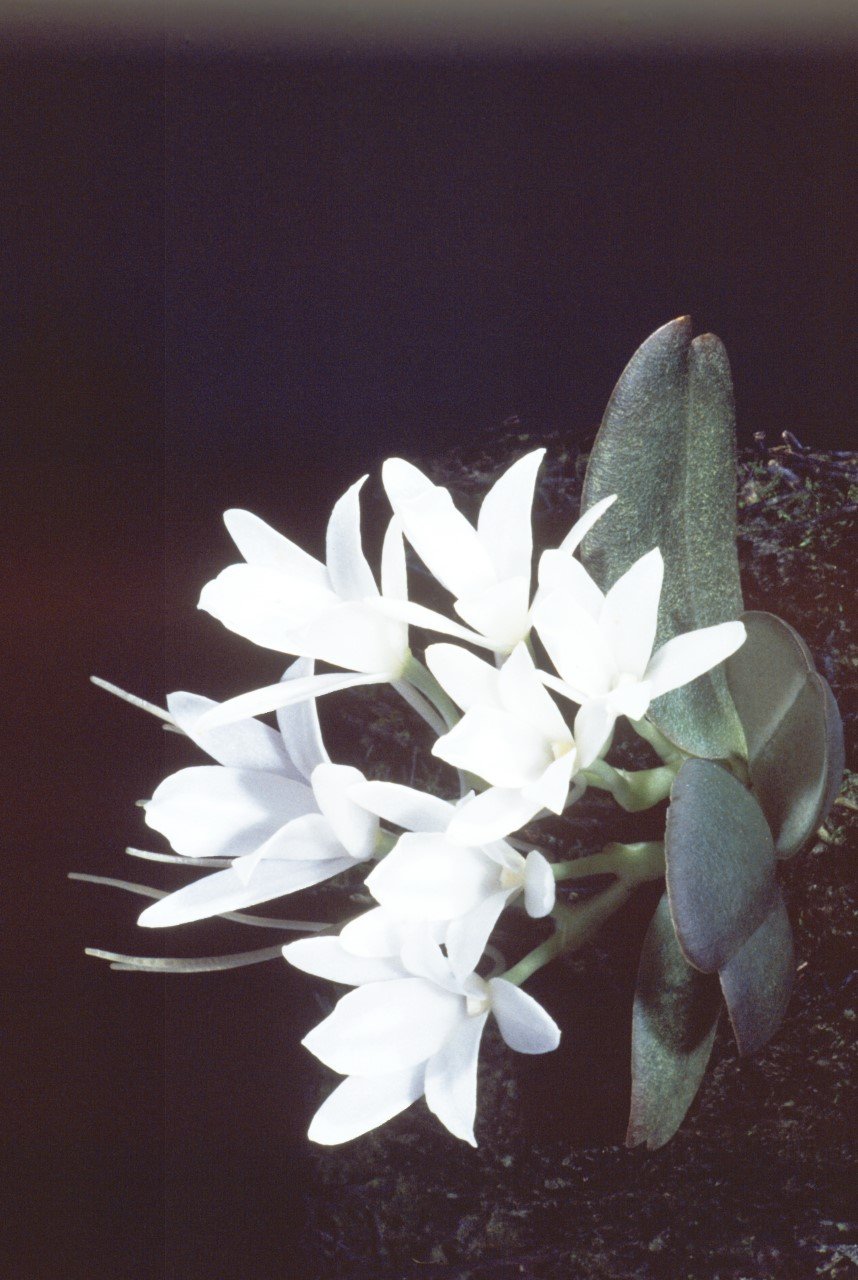
Not every orchid thrives in warm July conditions. Species from cool, humid cloud forests can actually deteriorate quickly in a warm living room or greenhouse. Think of many Masdevallias, Draculas, and other cooler-loving Pleurothallidinae. These plants often prefer lower temperatures, high humidity, and, above all, no prolonged dry heat.
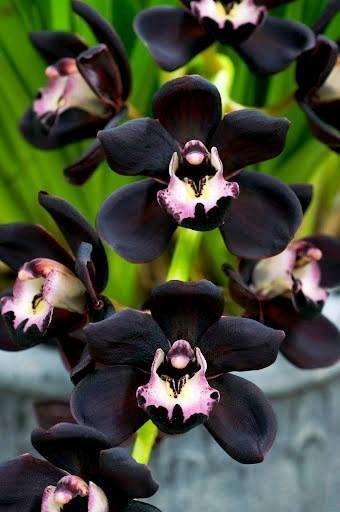
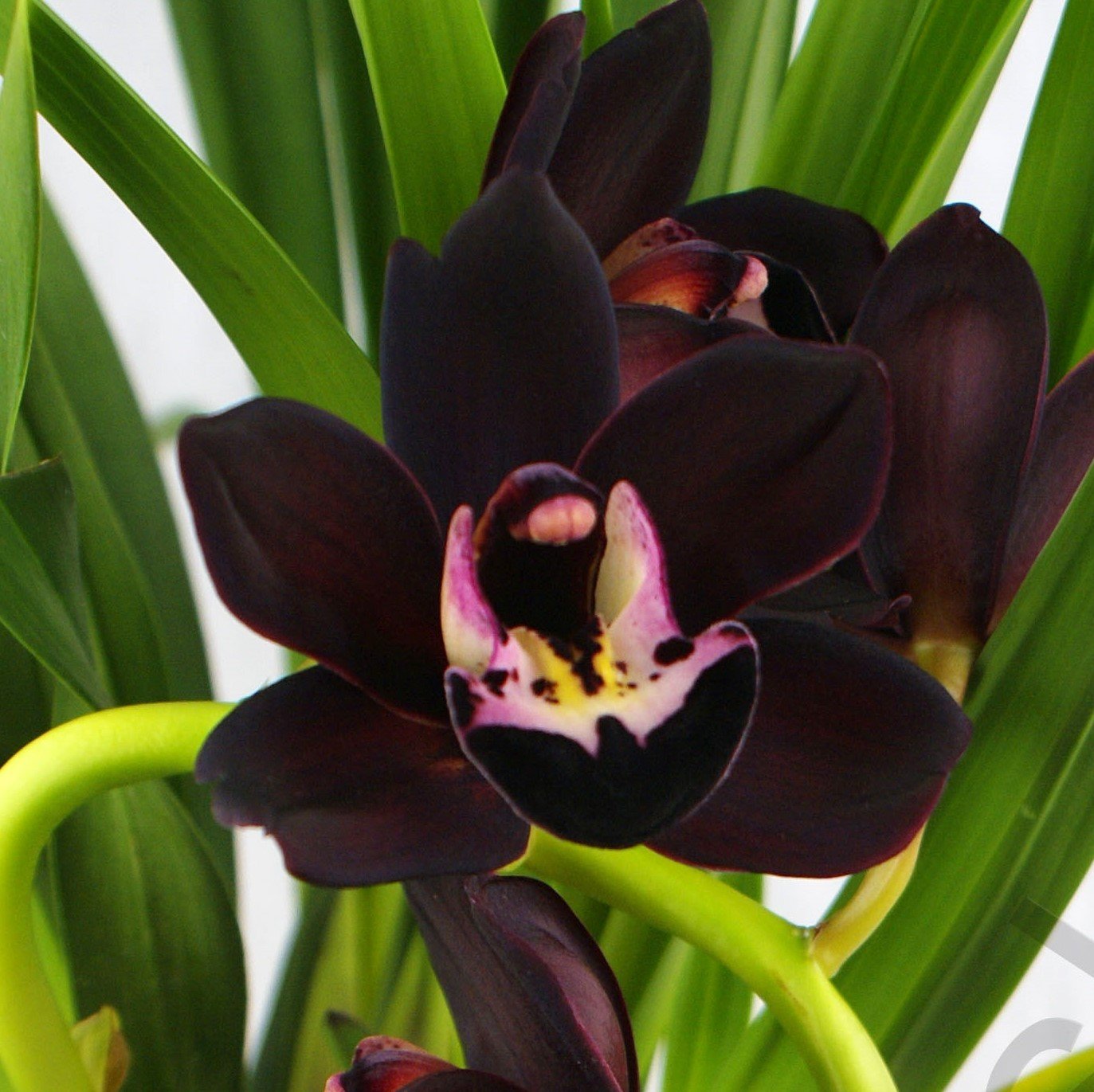
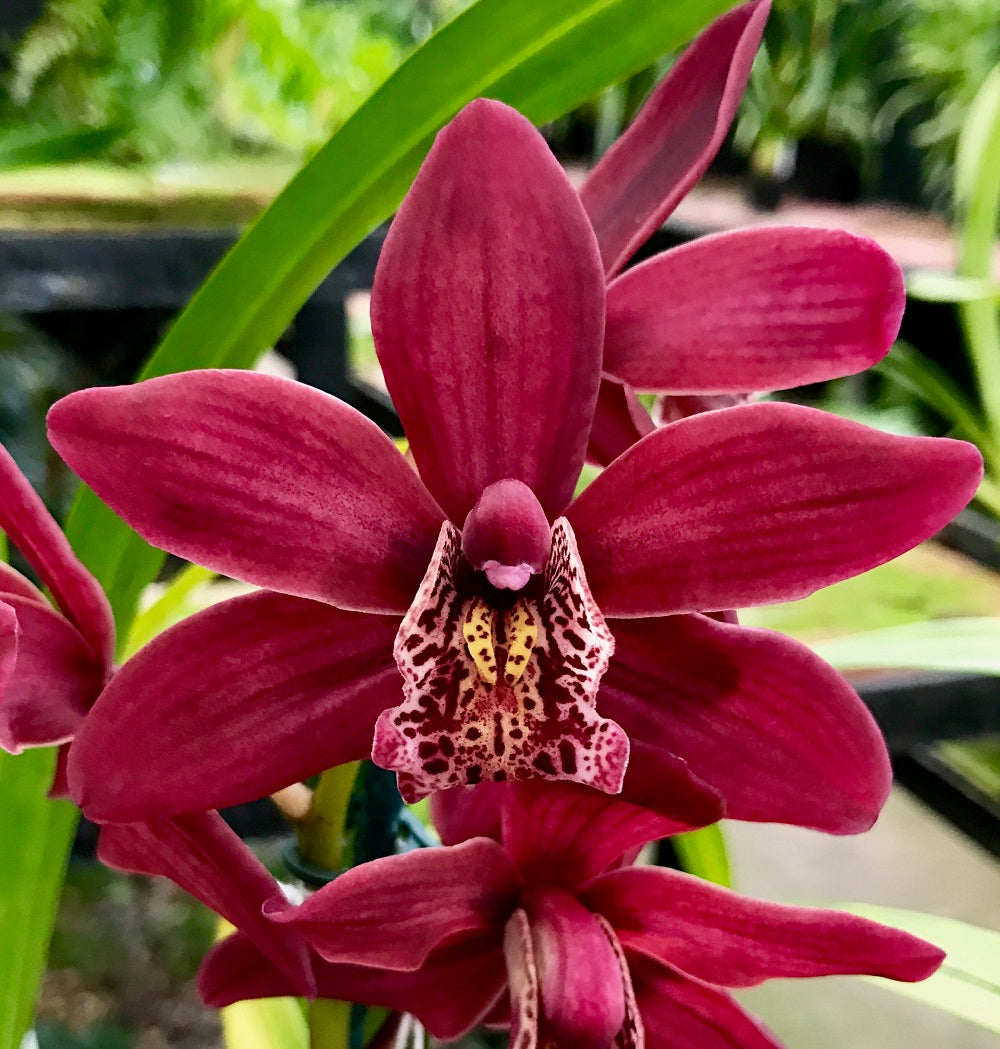
Similarly, some Cymbidiums and cooler Odontoglossum-like orchids aren’t the most logical choice for a warm windowsill in the middle of summer. They can grow just fine under the right conditions, but often benefit more from cooler nights, air circulation, and protection from heat spikes.
That doesn’t mean these orchids are impossible to grow. It does mean they require a different microclimate. A cool room, a well-ventilated terrarium, or a climate-controlled greenhouse may be more important than simply “plenty of light.”
“Warm-growing” is not the same as “safe to ship during hot weather”
This distinction is important. An orchid that grows in warm conditions does so under carefully managed circumstances: with air, humidity, light, and control. A package is something else entirely. In a closed box, there is no air circulation, no evaporation, no shade control, and no way to water the plant.
That’s why it may be wise to postpone shipping during actual heat waves, even for orchids that normally tolerate warm conditions well. Especially when packages are in transit for longer periods or remain in warm warehouses, the temperature inside the box can become much higher than the temperature at which the plant grows well in a greenhouse or living room.
For the plant, it makes a difference whether heat is part of a healthy growing environment or whether it builds up inside a sealed package. “Grows well in warm conditions” therefore means: suitable for warm growing conditions, not automatically suitable for extreme heat during transport.
Practical Summer Checklist for Home
If you’re choosing an orchid in July, it’s best to first consider your own circumstances. Is the spot mainly warm and bright? Then Vanda, Cattleya, Brassavola relatives, or certain warm-growing Dendrobiums might be good choices. Is the spot warm but not very bright? Then Phalaenopsis is often a better choice. If the space is both warm and dry, watering and humidity are more important than the orchid’s name.
In the summer, pay special attention to active root growth. Green or actively growing root tips indicate that a plant is thriving. A plant in active growth can often tolerate heat better than one that is dormant or has just experienced stress. Also check whether the pot dries out faster than it does in the spring. Many problems arise not because the plant is exposed to heat, but because watering, shade, and air circulation haven’t been adjusted accordingly.
A warm summer doesn’t have to be a problem for orchids. For many species, it’s actually the growing season. The best choice, however, isn’t simply an orchid that “can tolerate heat,” but one that’s suited to the actual conditions in your home, sunroom, or greenhouse.