The first three months of 2025 have shown striking changes in the plant industry. Where the year started quietly, an unexpected turn in market demand followed in April. At the same time, interesting new varieties became available that offer opportunities for the higher segment. In this blog, we summarize the most important trends, introductions and market movements so that you, as a wholesaler, can respond strategically to what is to come.
Slowdown in demand for foliage plants
One of the most striking developments was the sudden drop in sales of "normal" green houseplants. In mid-April, demand declined sharply, especially from younger plant lovers. It is possible that economic uncertainty plays a role, but the exact cause is still unclear to many. What is striking is that flowering houseplants and staghorn ferns continued to perform relatively stably, especially within the higher segment and among an older customer group.
Niche on the rise: micro-orchids
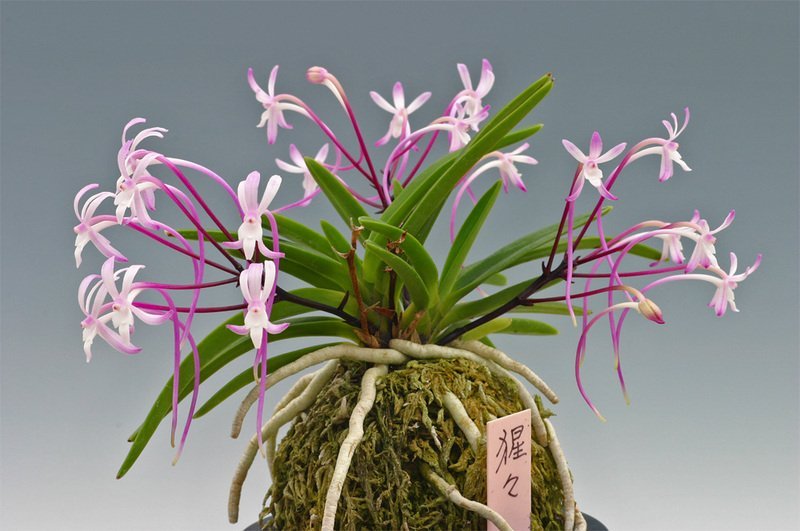
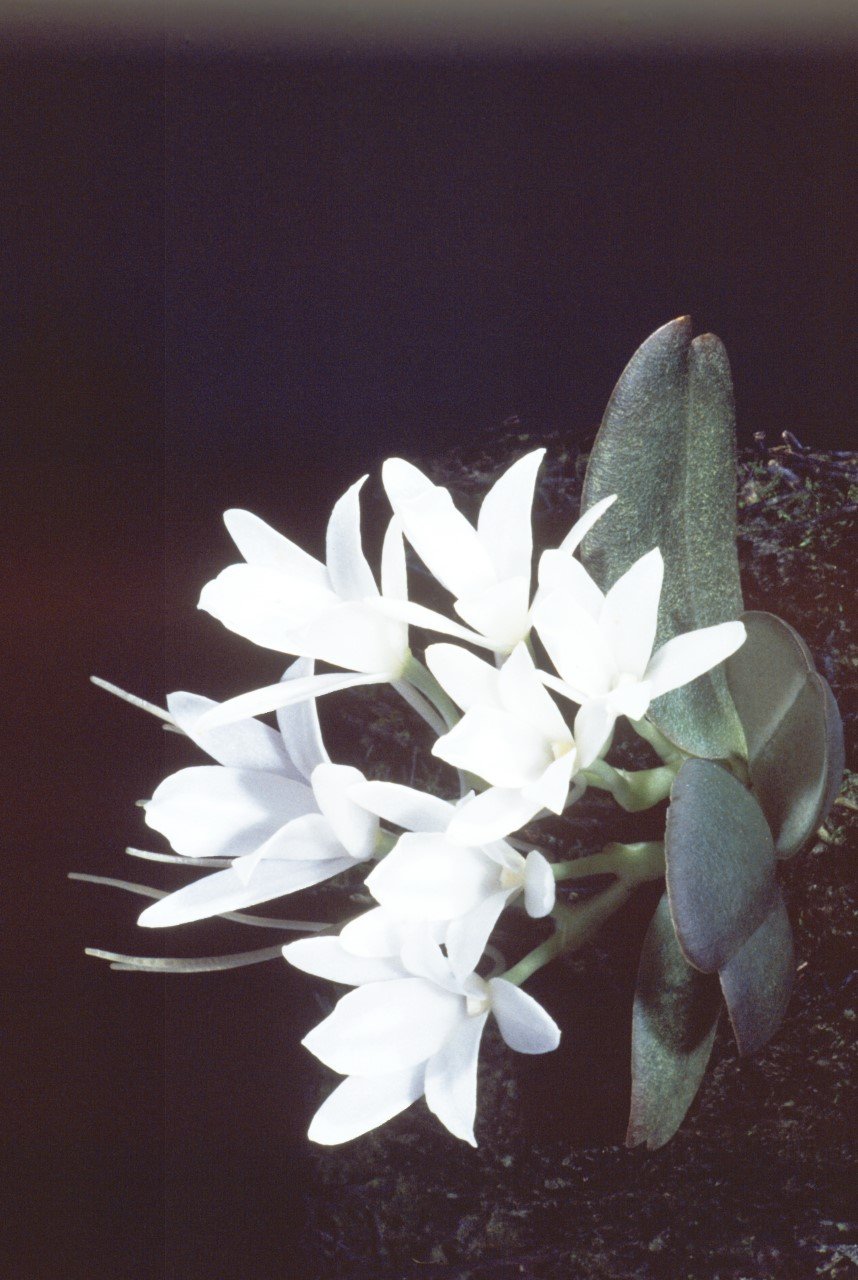
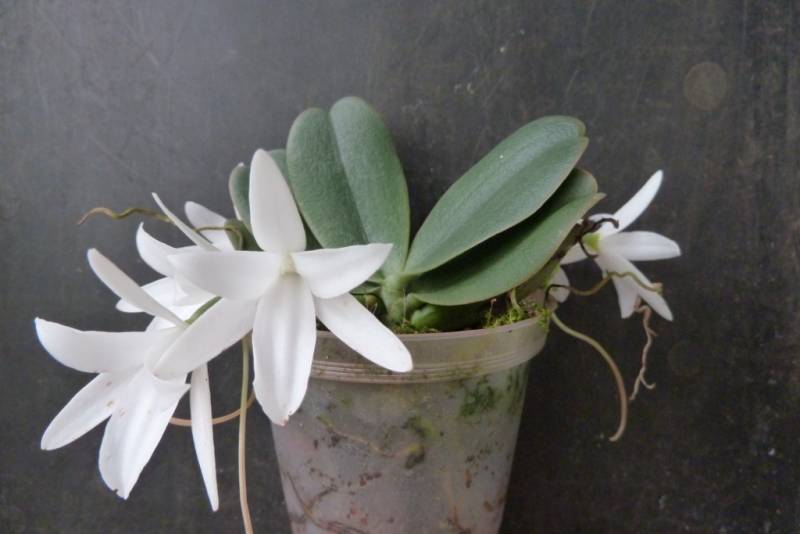
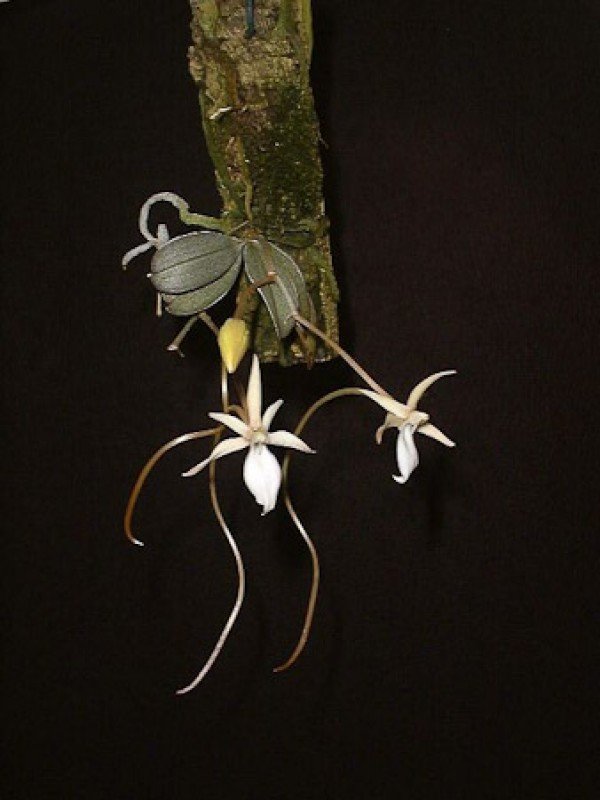
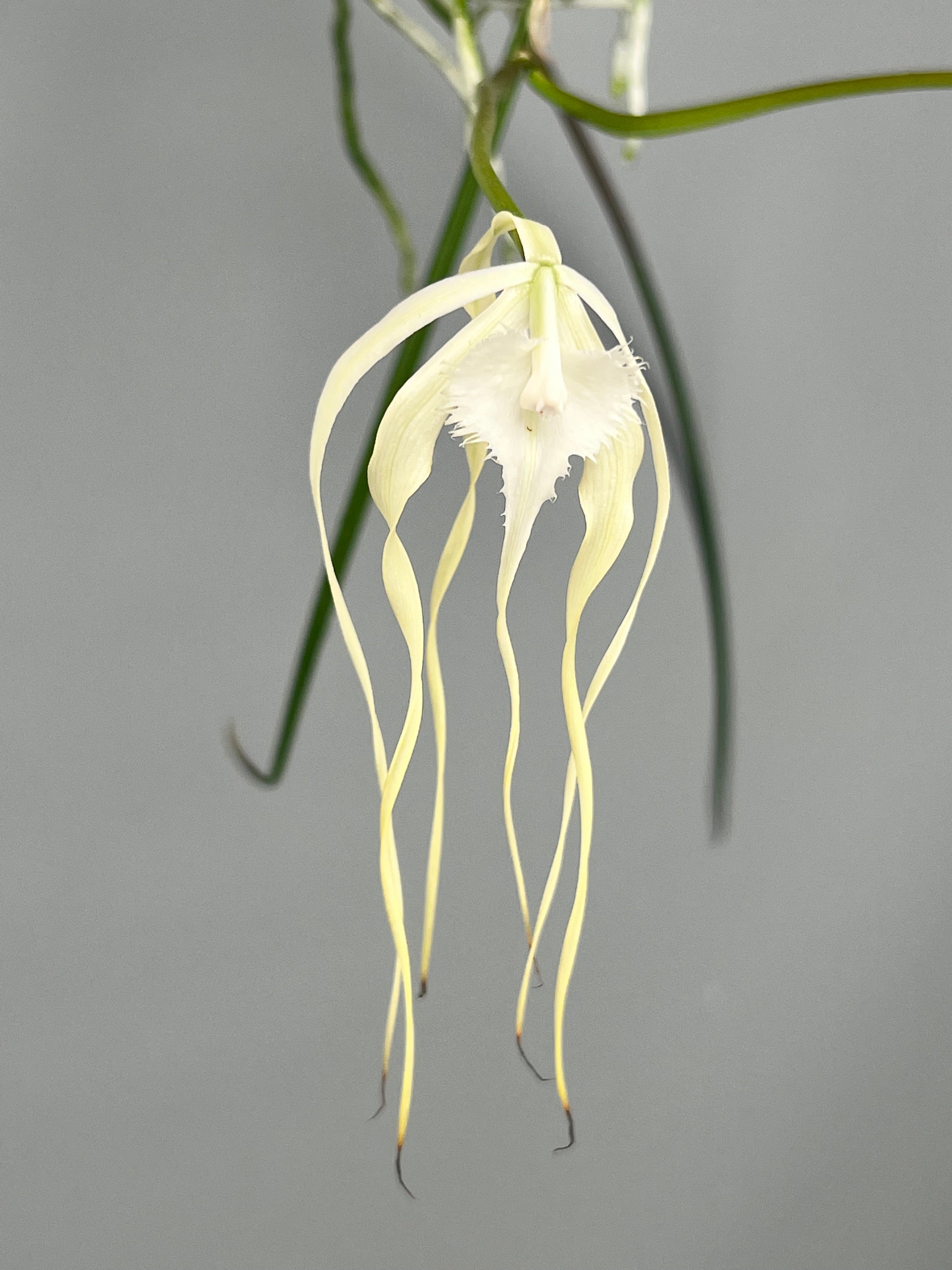
Within the niche of collector plants, micro-orchids made a remarkable advance in recent months. New hybrids within Platystele and Trisetella, for example, combine compact size with graceful flowering and surprisingly good performance under domestic conditions. They appeal especially to enthusiasts and specialty retailers looking for something truly unique within the orchid range.
Compact ornamental nettles as a colorful alternative
Another trend is the reintroduction of ornamental nettles (Coleus), this time in compact forms. These newly developed varieties are genetically smaller, better branched and particularly suitable for indoor use. Their vibrant colors - from lime green to deep violet - make them an attractive alternative to leaf begonias and other decorative foliage plants, with a fresh look that also fits into smaller interiors.
New tropical rarities at the higher end
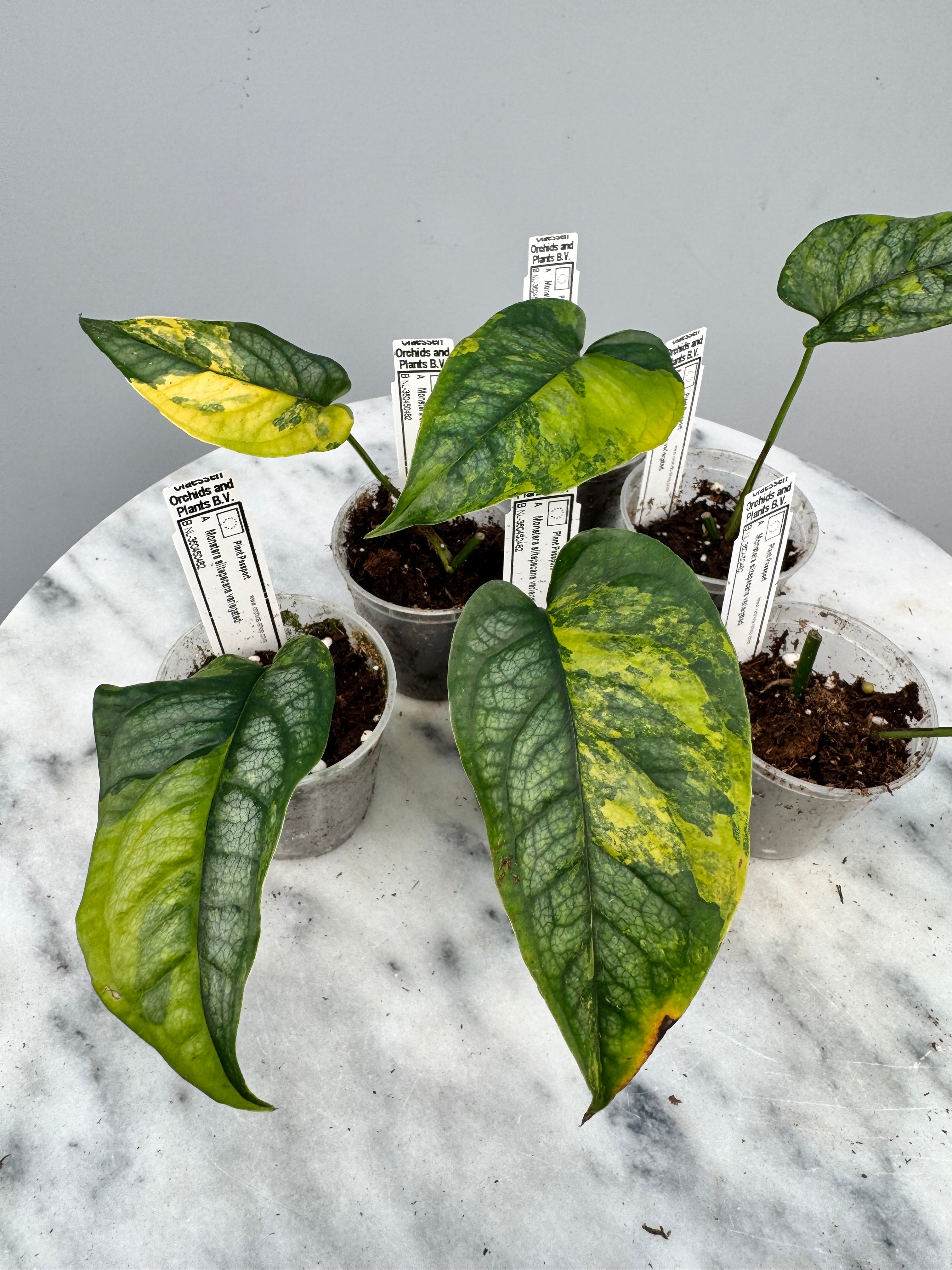
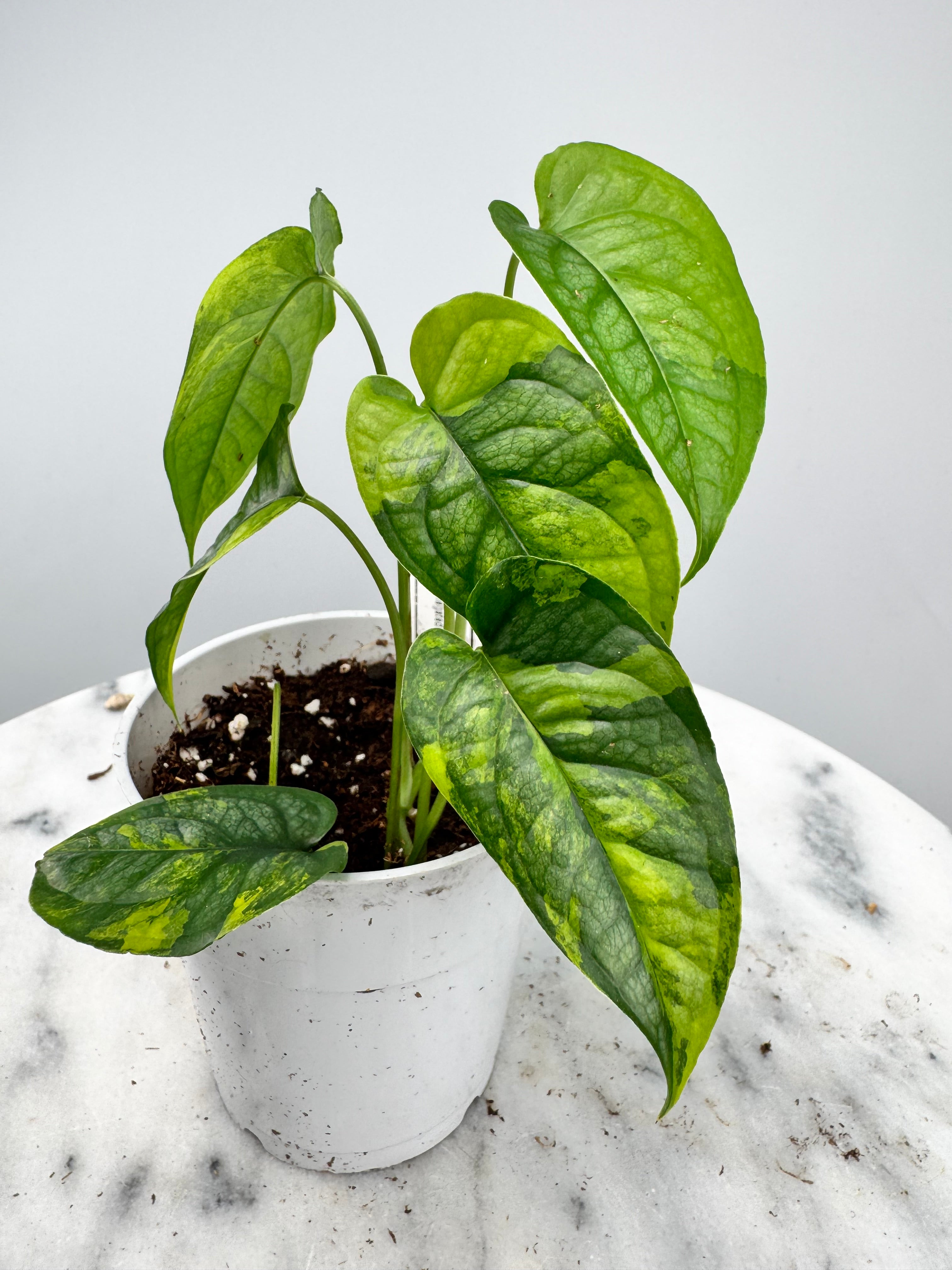
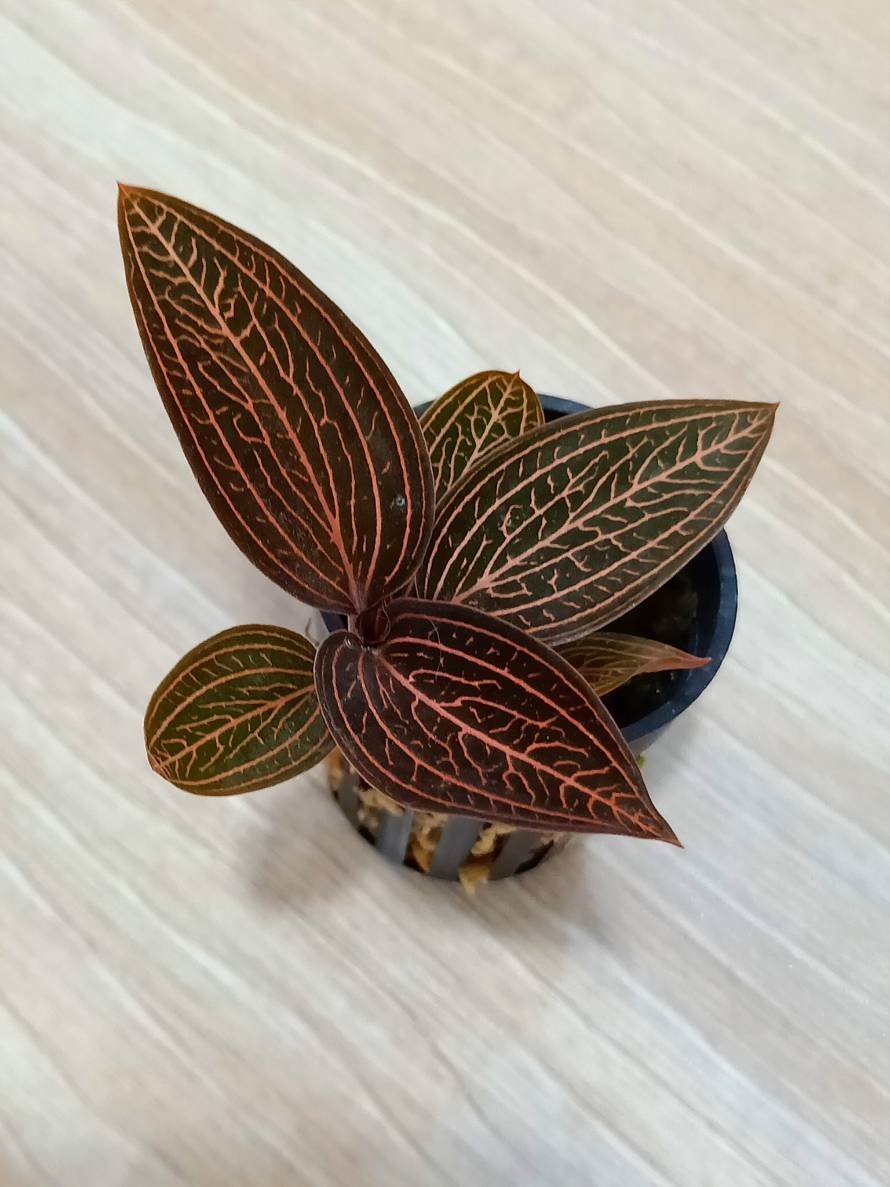
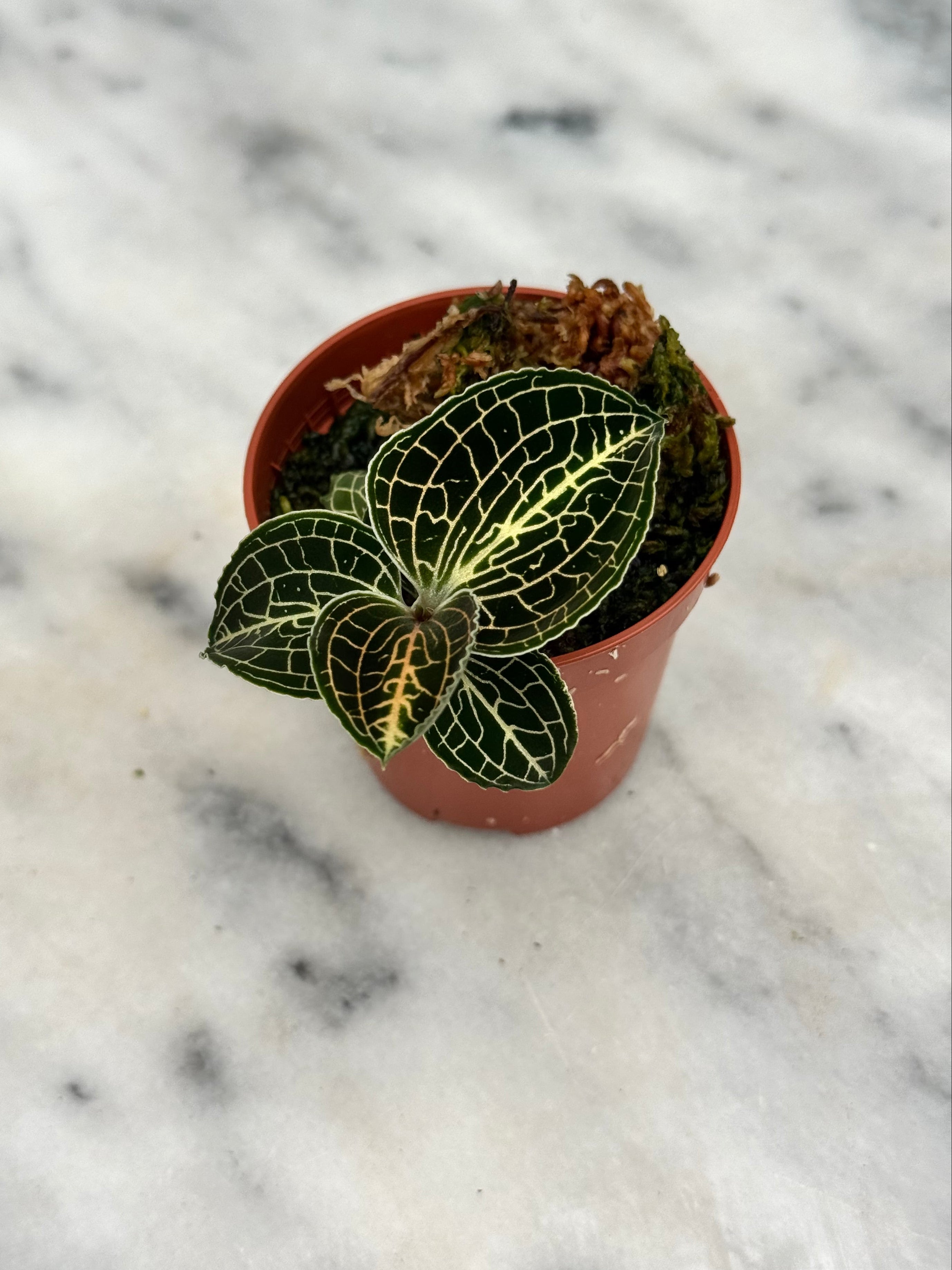
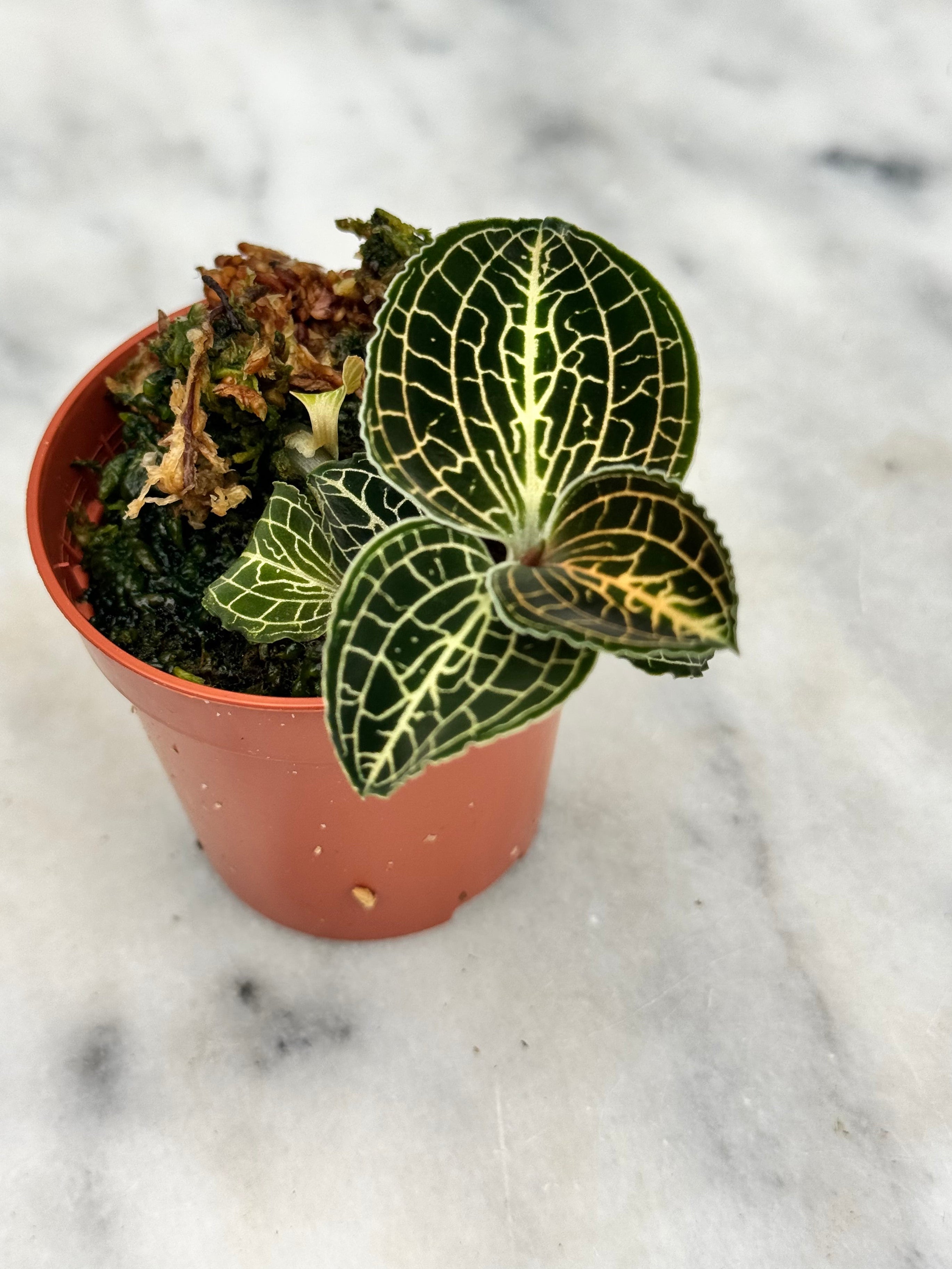
The higher segment has some unusual newcomers this spring. For example, selections of Anthurium warocqueanum with intense silver veins, as well as new variegated forms of Monstera pinnatipartita with stronger vigor. Such exclusive plants remain beloved among connoisseurs and collectors, forming a stable niche within a changing market.
Back to flowering classics with modern characteristics
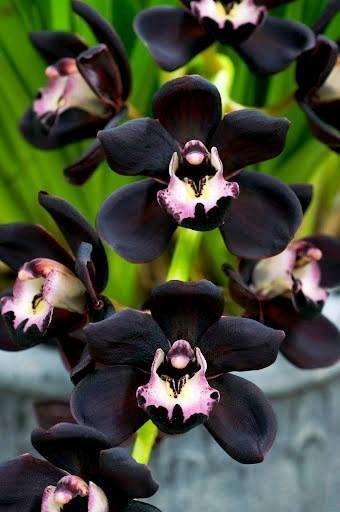
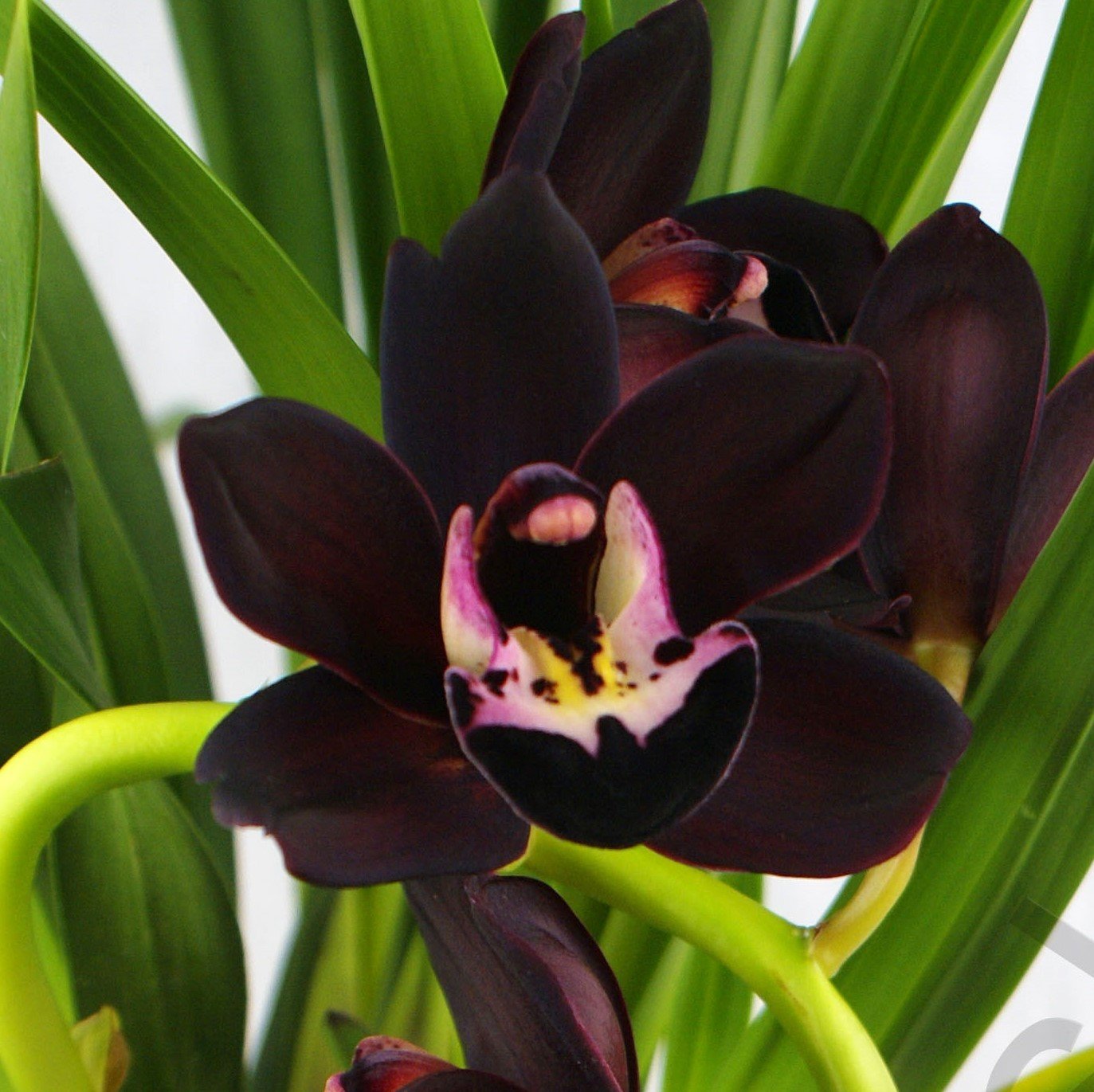
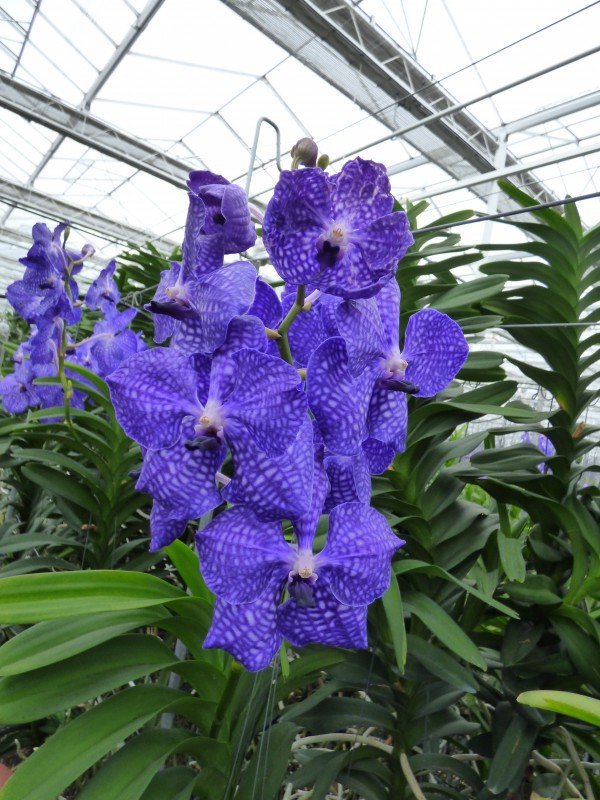
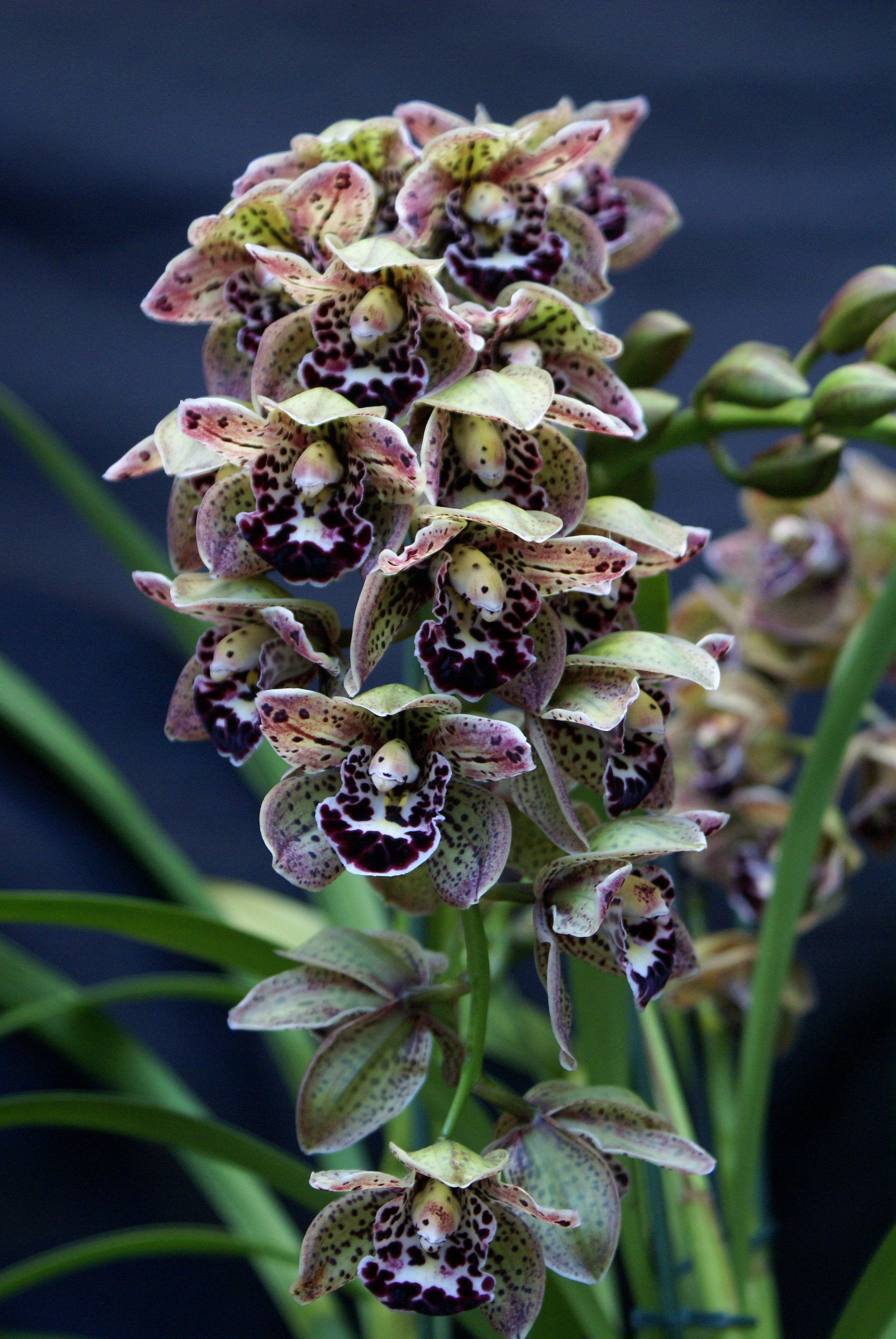
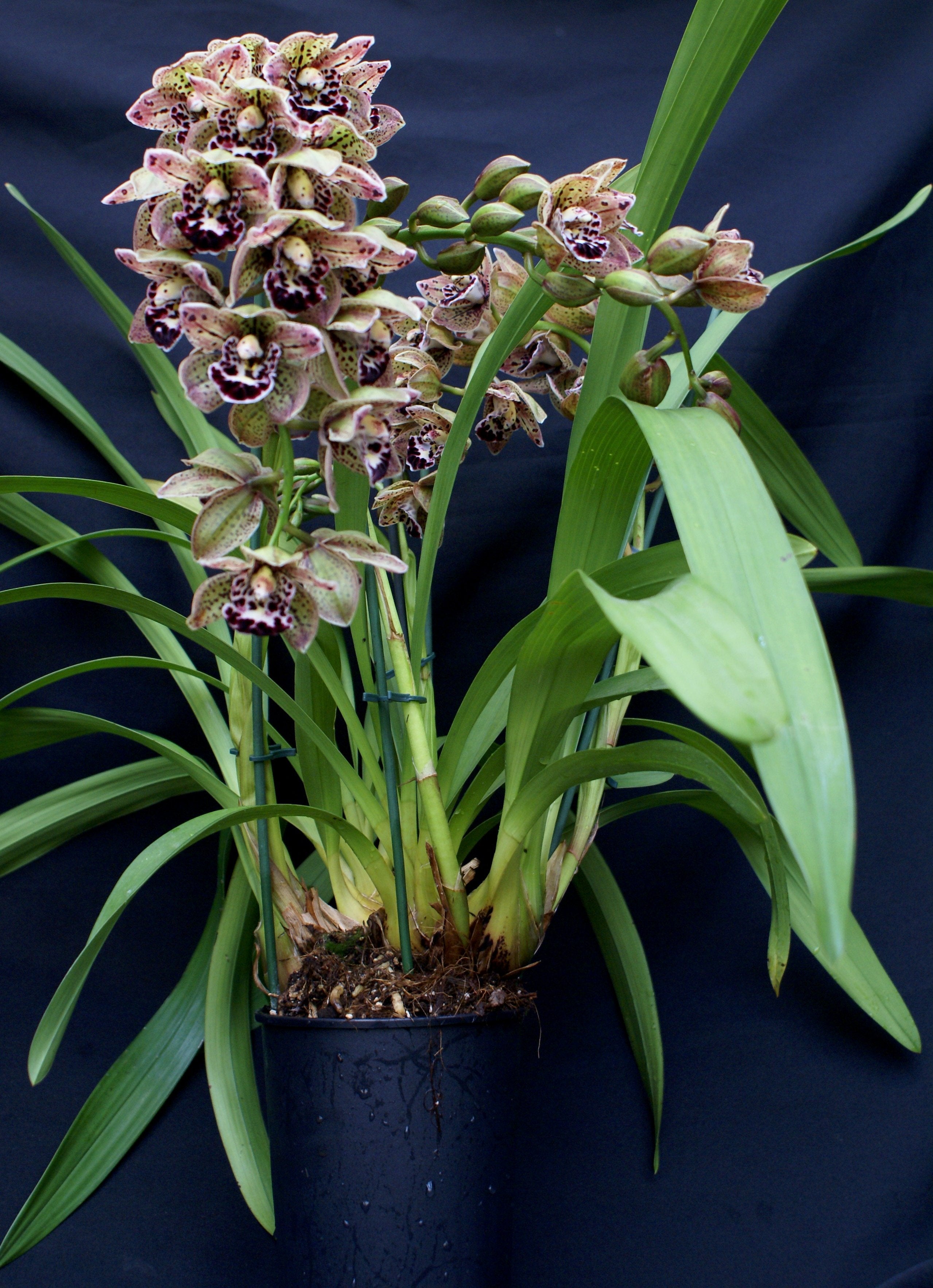
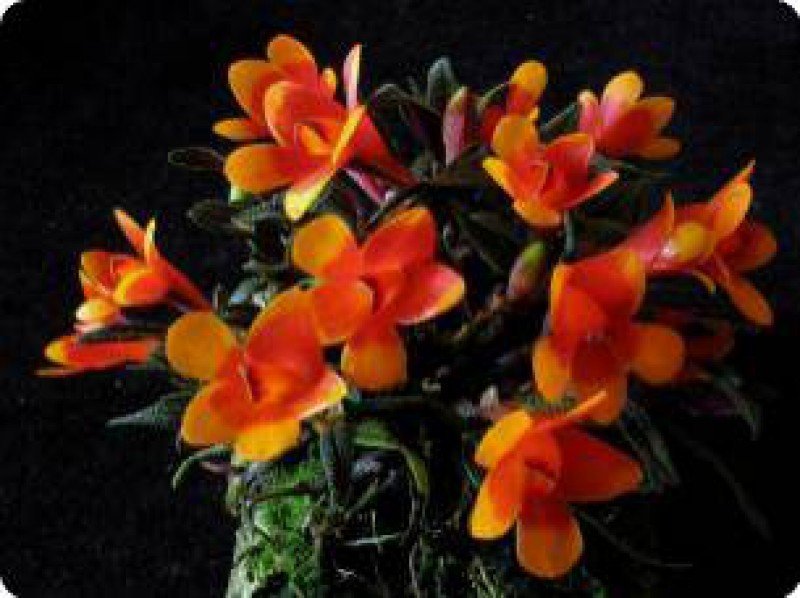
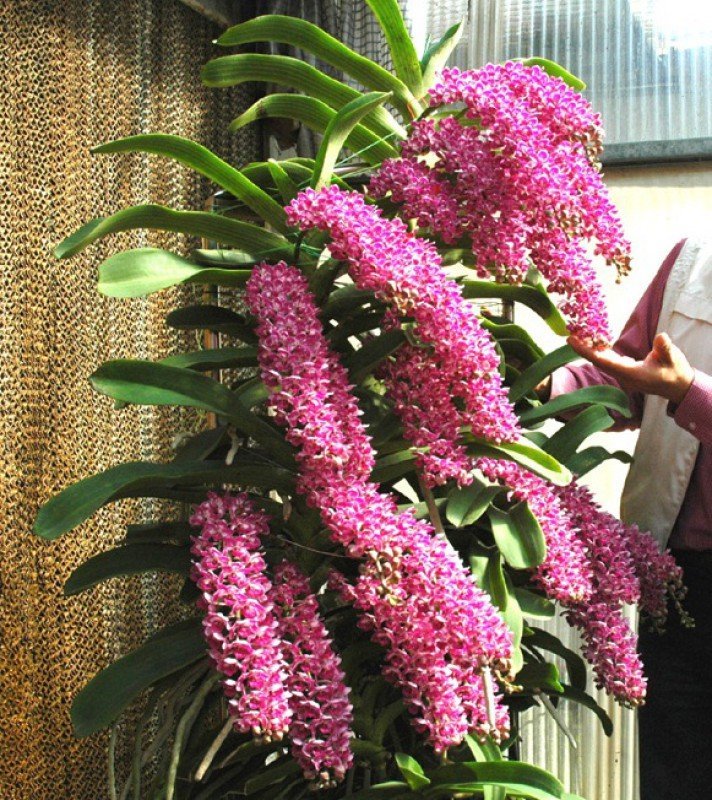
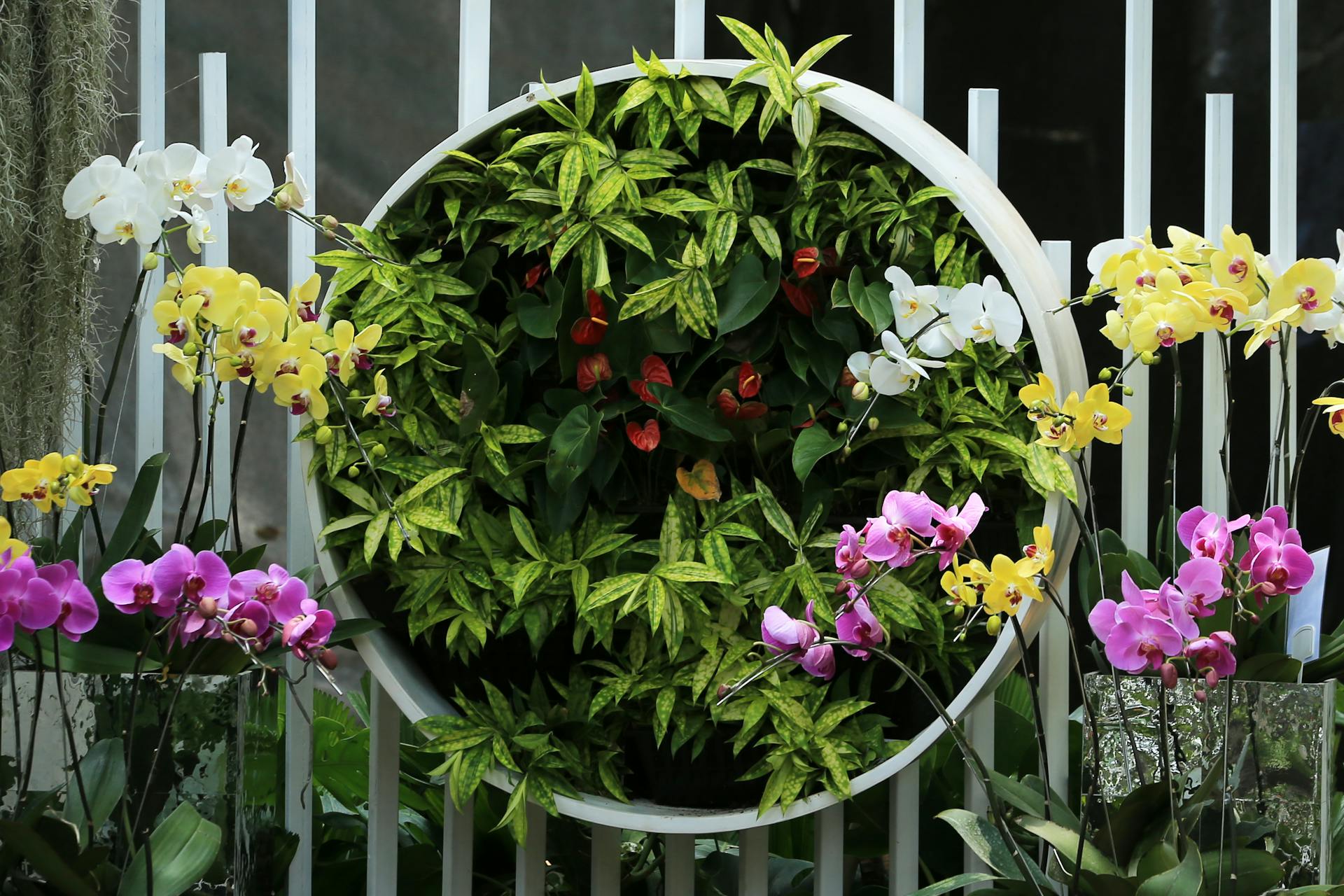
An interesting shift can be seen toward classic flowering plants, such as Phalaenopsis, Cymbidium and Paphiopedilum. But with a modern twist: improved shelf life, compact growth or even subtle fragrance. These innovations appeal to a wide audience, from traditional enthusiasts to new buyers looking for reliable, flowering plants for the home.
What does this mean for your assortment?
The current market demands sharpness, flexibility and distinctiveness. While demand has weakened in the mid- and low-end segments, the market for quality, flowering or unusual plants remains relatively stable. Responding to exclusivity, sustainability and stories behind species is more important than ever. Keep your finger on the pulse of small introductions, special varieties and changing consumer behavior - they will make the difference in the rest of 2025.