
Plants are silent. They don't talk like we do, they don't make a sound, and yet ... it's as if they do say something. Maybe you've felt it yourself. A leaf slowly turning yellow. A flower that opens unexpectedly. Something is happening - and somewhere it seems like the plant is trying to make something clear. But what exactly?
In this blog, we explore together how plants communicate, not with words but in their own quiet way. And what it can mean for us as humans to learn to listen again.

Communicating without words
Plants are, in their own way, remarkably sensitive. They are constantly reacting to their environment. They do so through signals that are not always immediately visible or understandable to us. But that doesn't mean they aren't there.
Smell
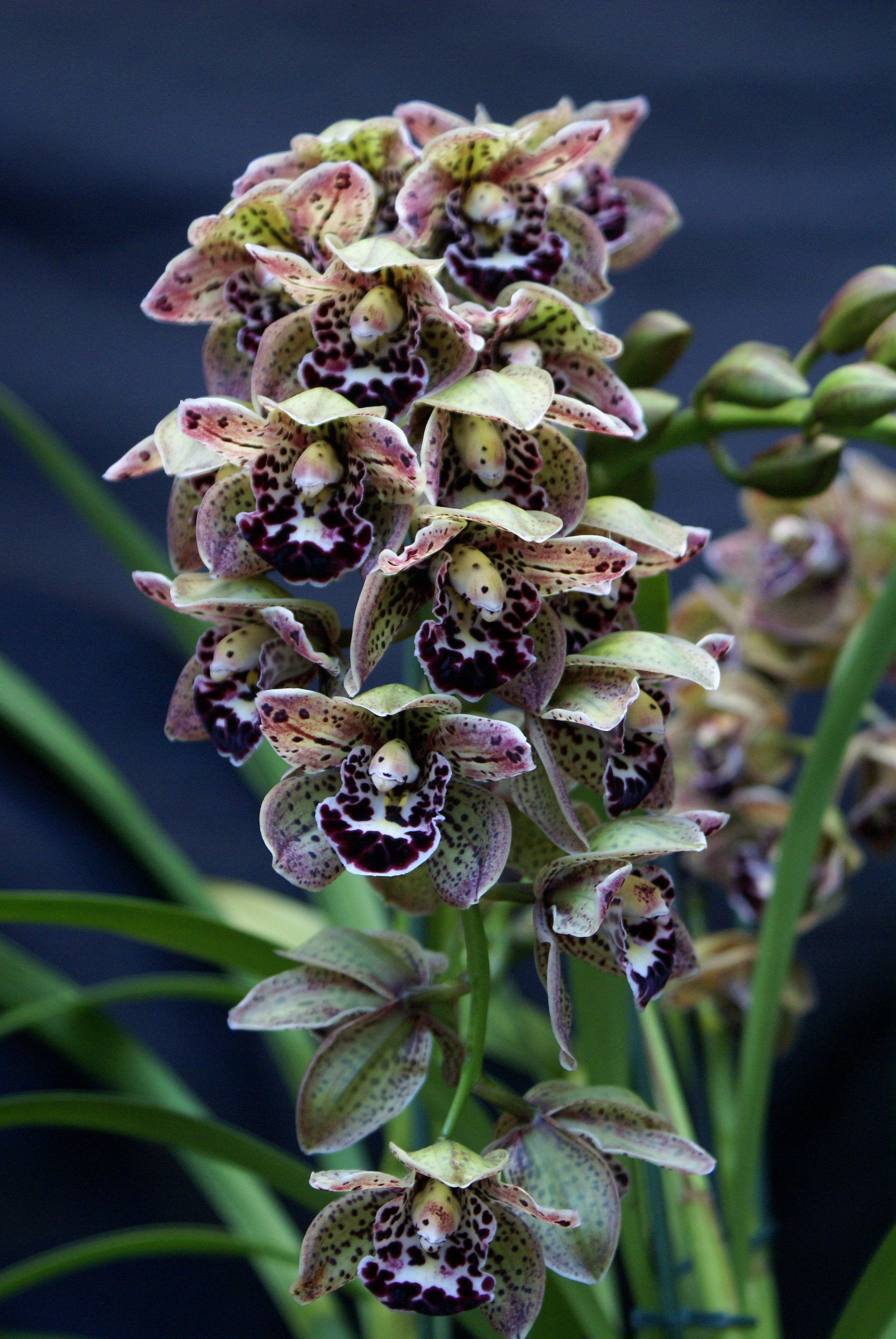
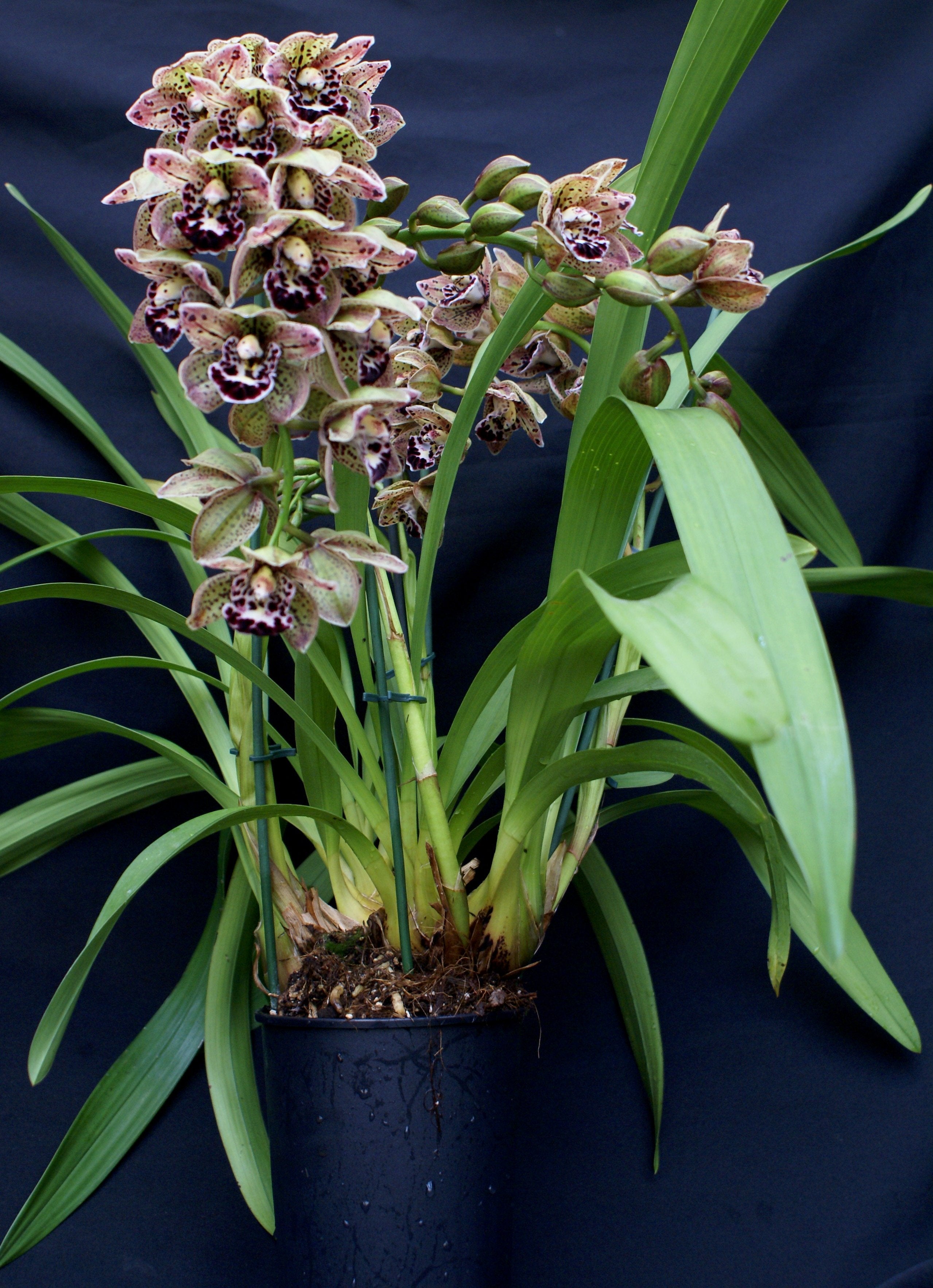
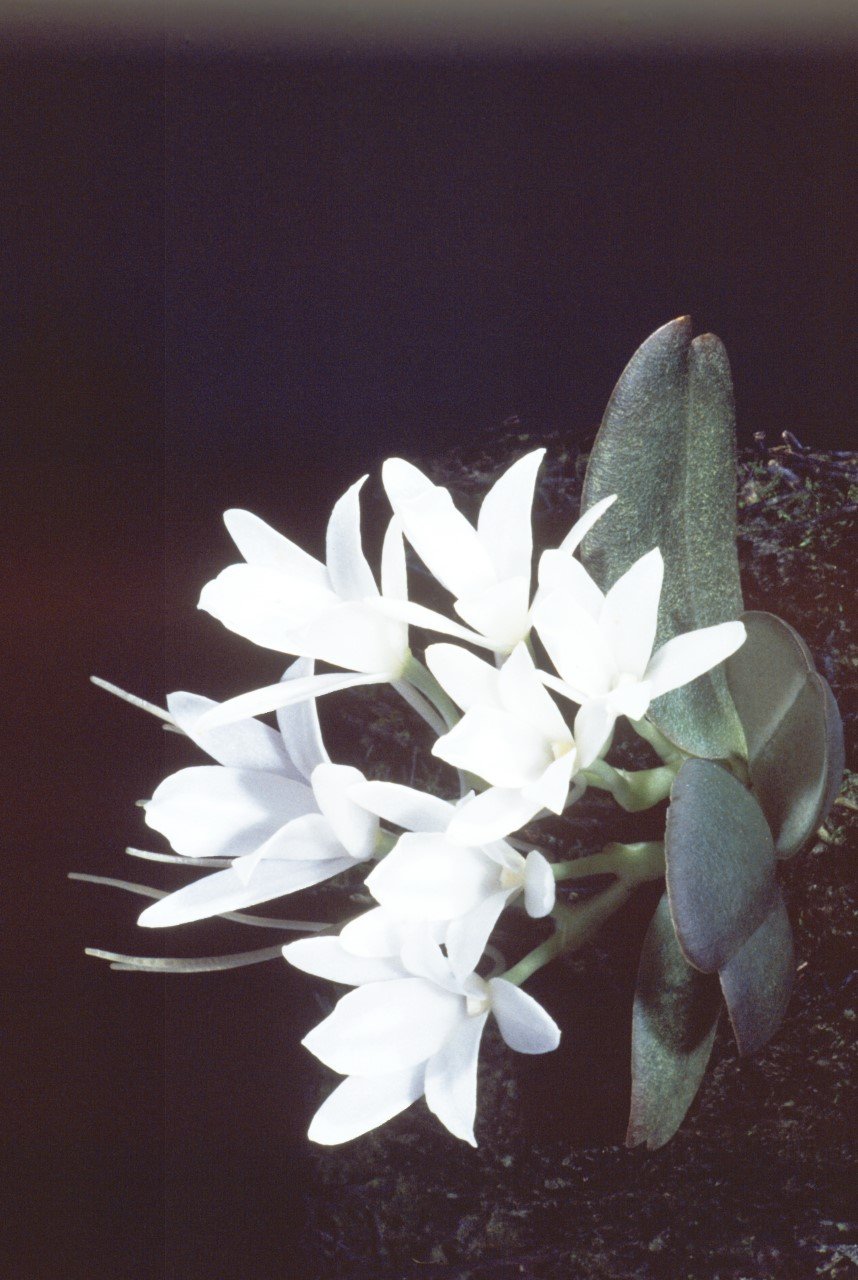
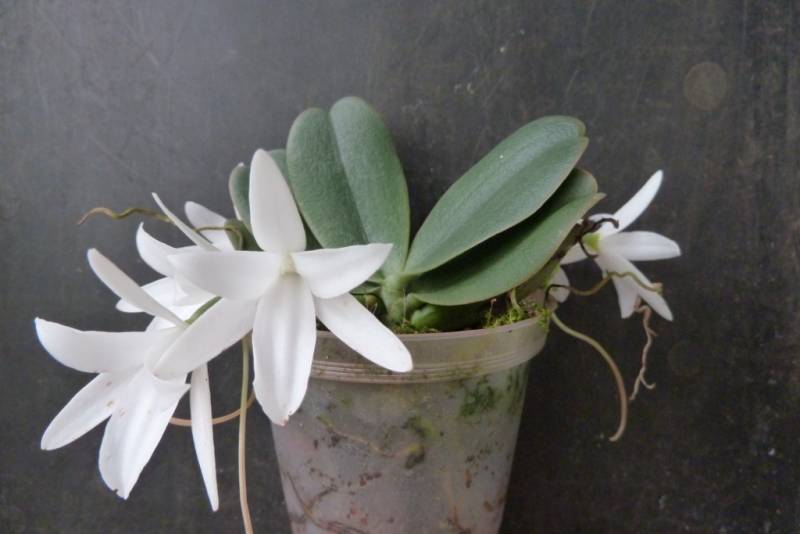
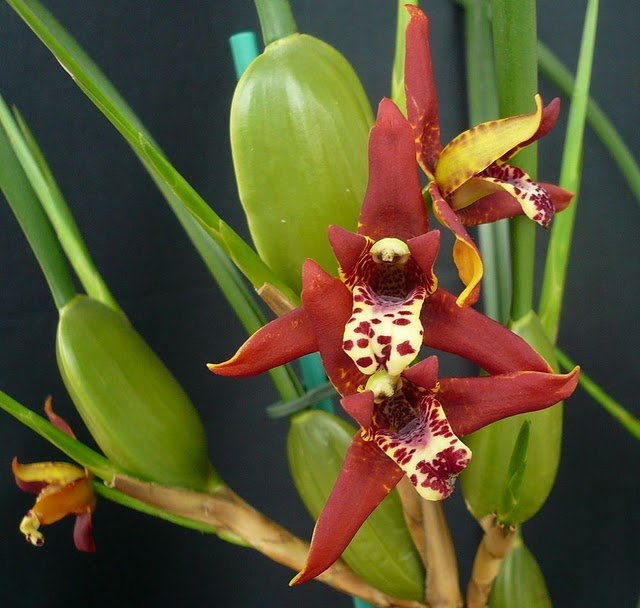
Scents often play a role in attracting insects. Some orchids spread their scent only at night, when pollinators are active. Others even mimic the smell of rotting fruit or a particular insect to attract just the right critter.
Color
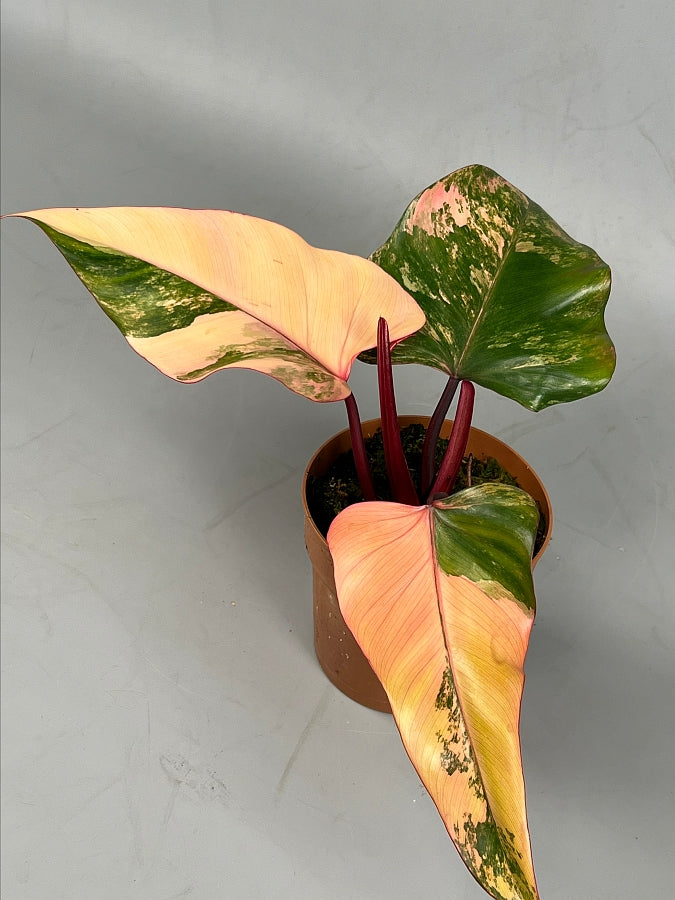
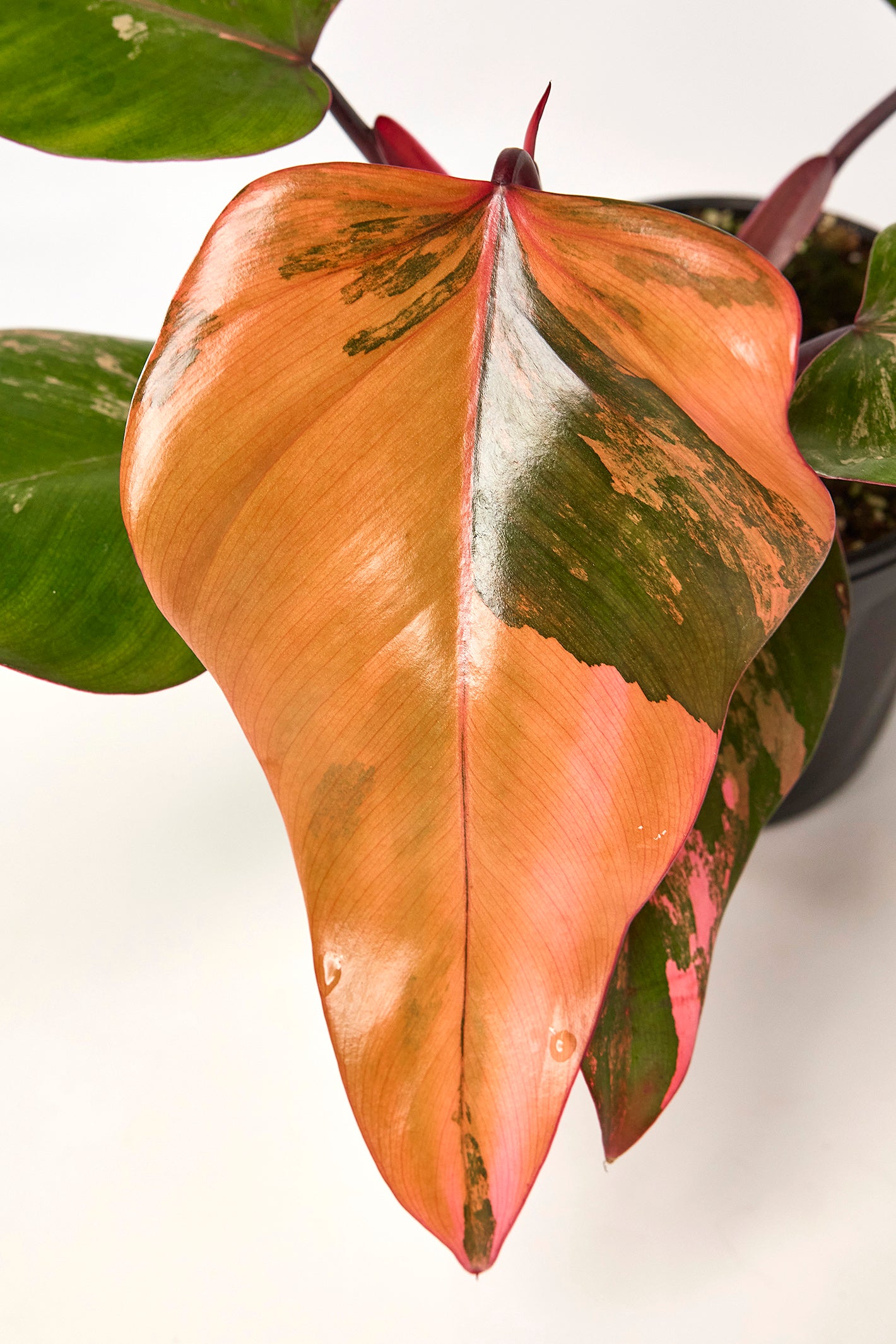
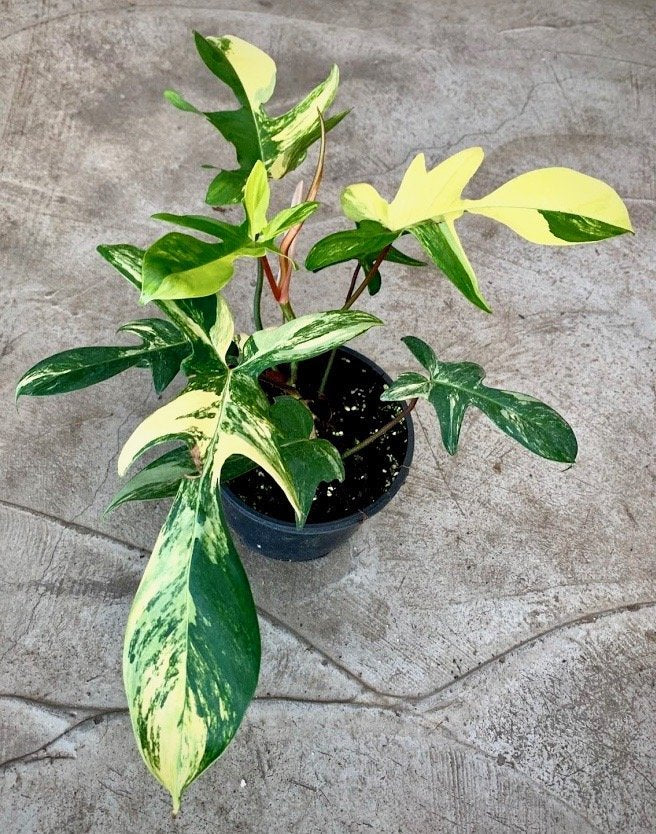
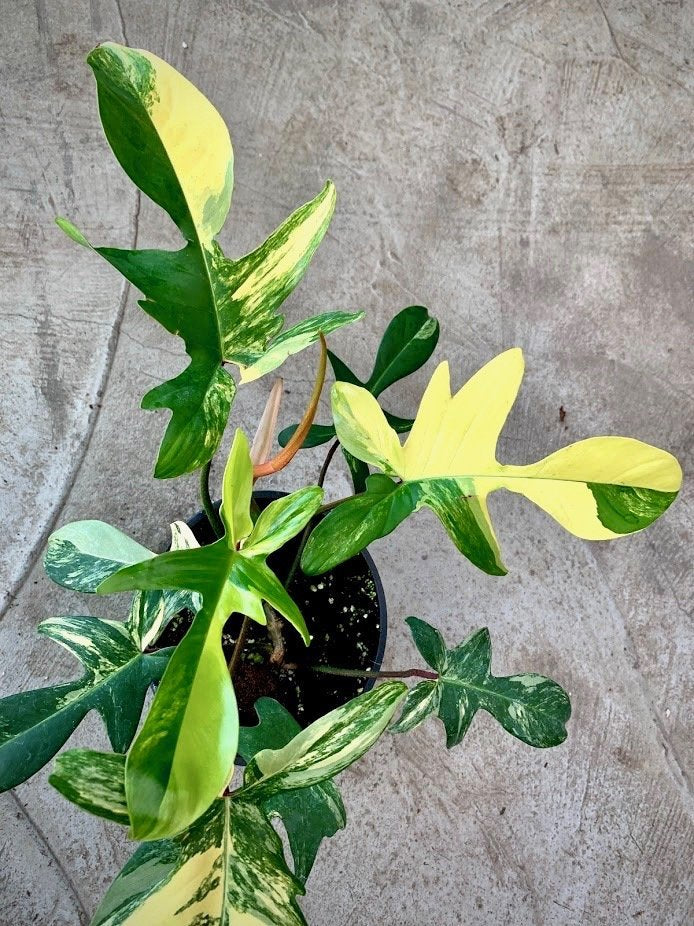
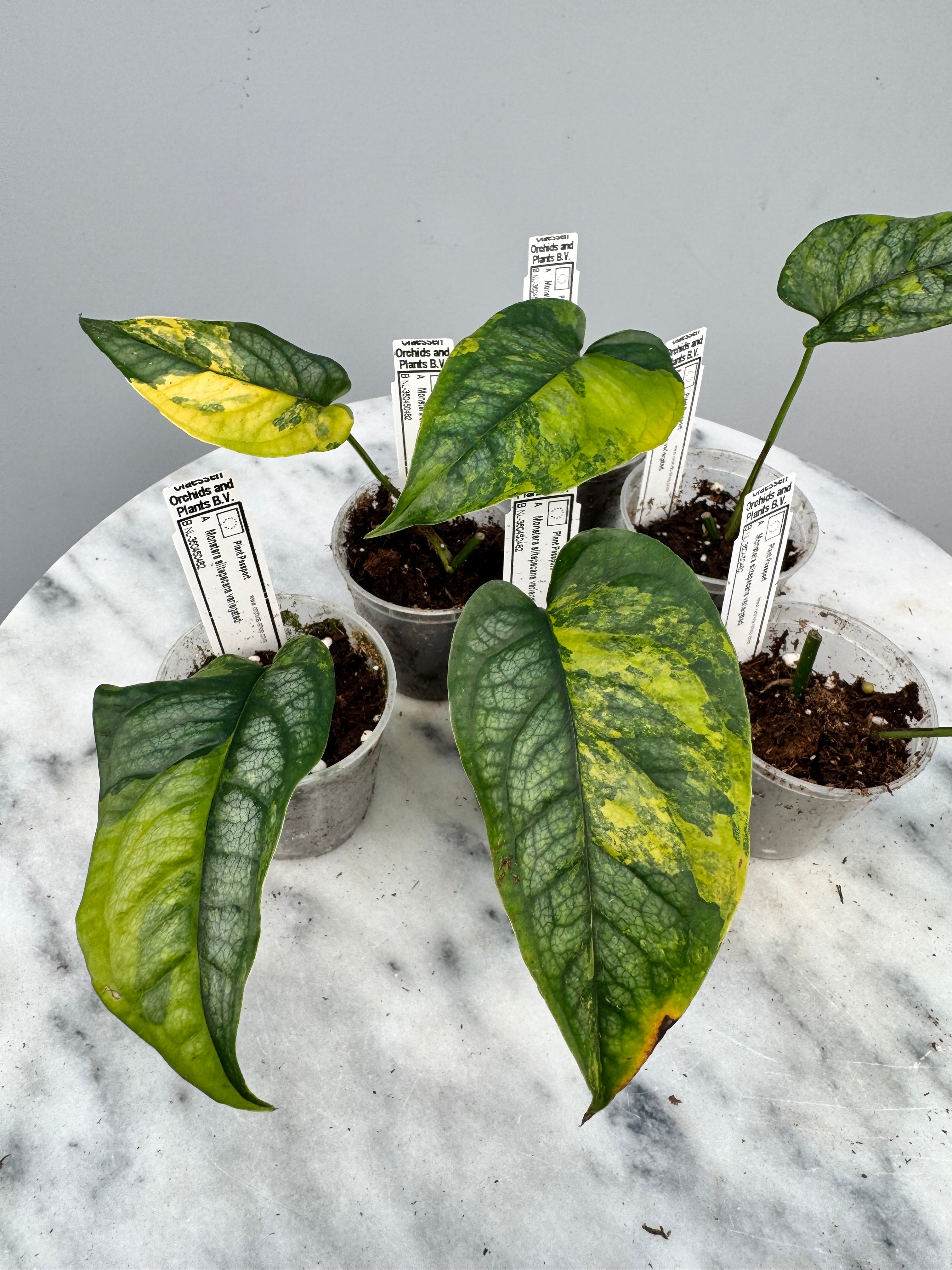
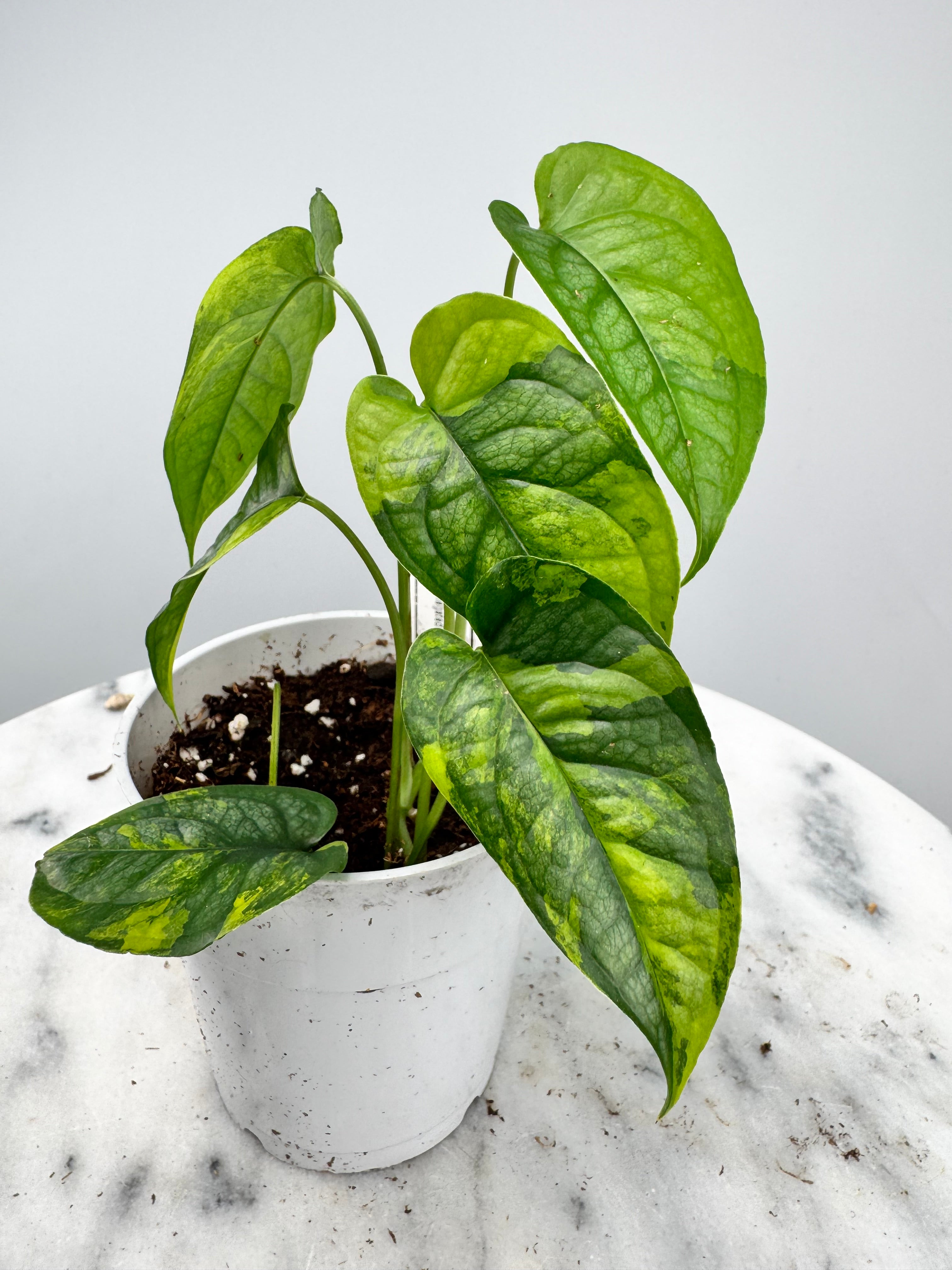
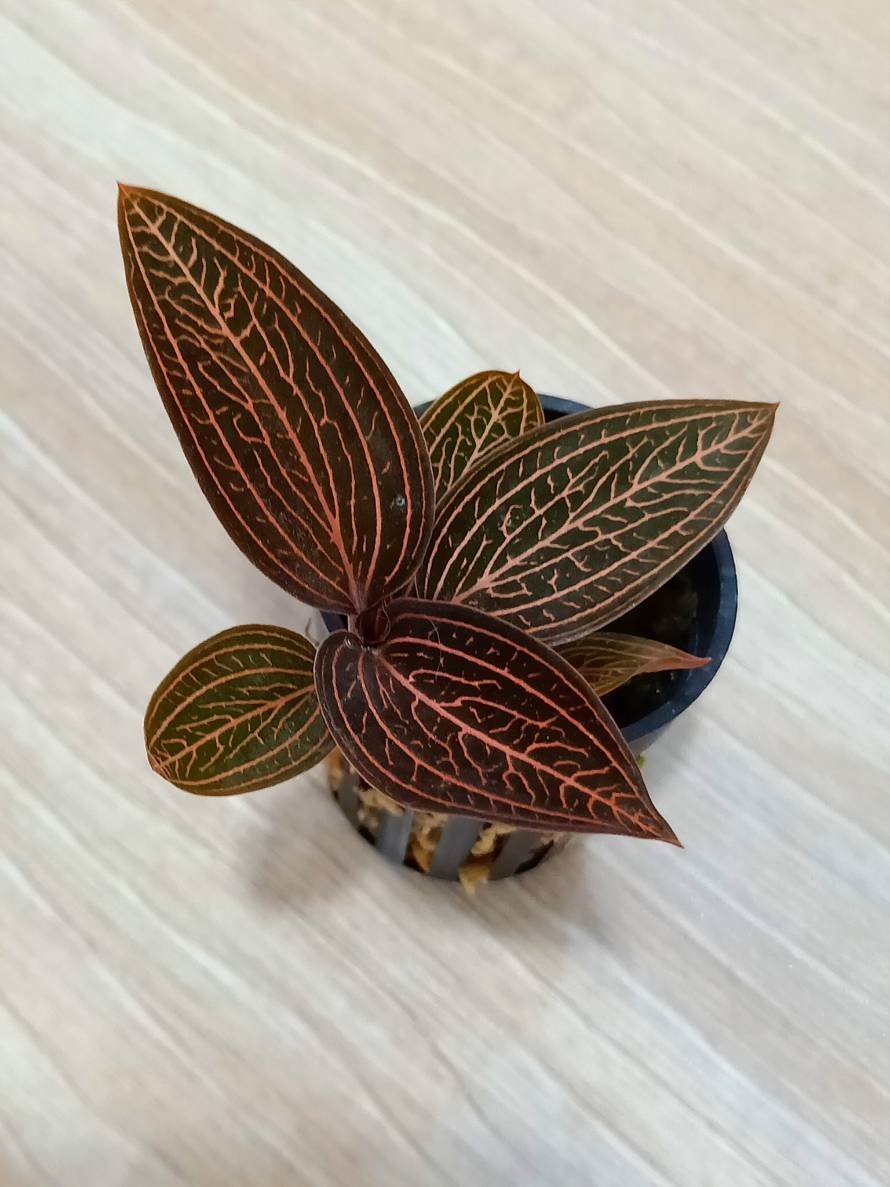
Colors also tell a story. Discoloration of leaves is usually a reaction to conditions - too much light, not enough nutrition, or simply age. It's sometimes like a subtle way of saying, "I'm not quite comfortable."
Motion
Movement, no matter how small, can mean a lot. A flower that turns toward the light, or a stem that grows just slightly crooked, doesn't just do that. They are slow, thoughtful adjustments to what is happening around her.
Roots and fungi
And then there is the hidden communication through roots and fungi. In the soil, plants exchange signals through networks of fungal threads. They share information about drought, threats or even available nutrition. To us, it remains largely invisible - but it does happen.

How can you learn to listen?
Perhaps that is the most special thing about interacting with plants: that it invites you to look more slowly. With more attention. Not looking for quick answers, but simply being open to what presents itself.
You don't have to be a biologist to notice something. Often it's enough to regularly stop and think about your plant. How does it look today? What is different from last week? Small changes often tell more than we think at first glance.
Why we sometimes lose sight of it
In our busy lives, it's easy to only notice when something seems to be going wrong. A leaf falling out, a flower drying up. But plants also communicate when everything is going well - right then, even. Maybe we've kind of lost the ability to look without haste. Or maybe we've gotten so used to clear, direct communication that we take those silent signals less seriously.
Yet learning to look again can be of great benefit. Not only for the plant, but also for yourself. Because in that slowness, in that silent contact, there is sometimes exactly what you need.

What your plant might want to show you
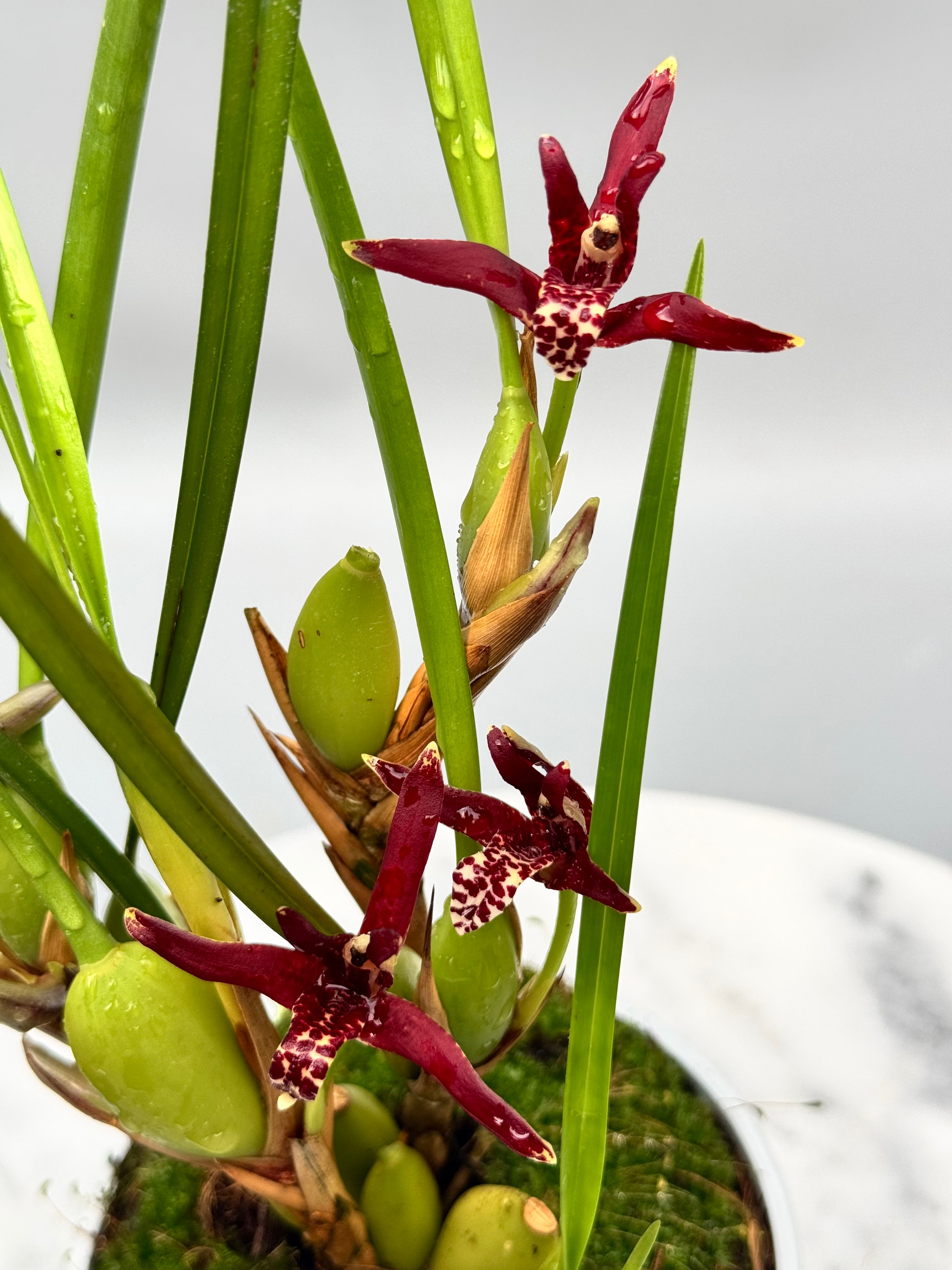
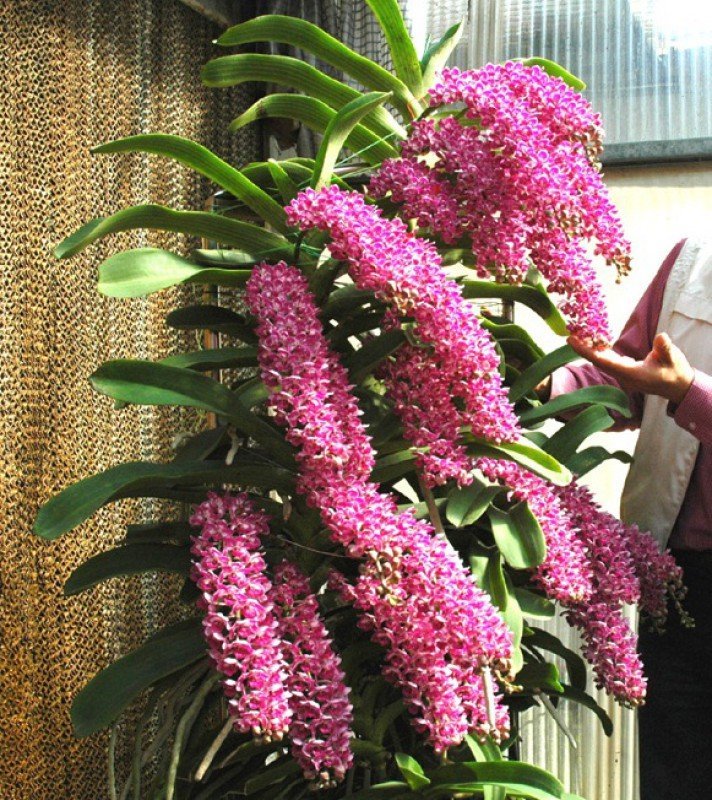
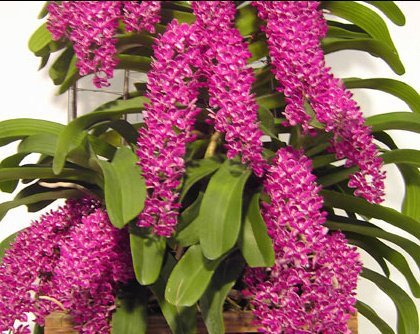
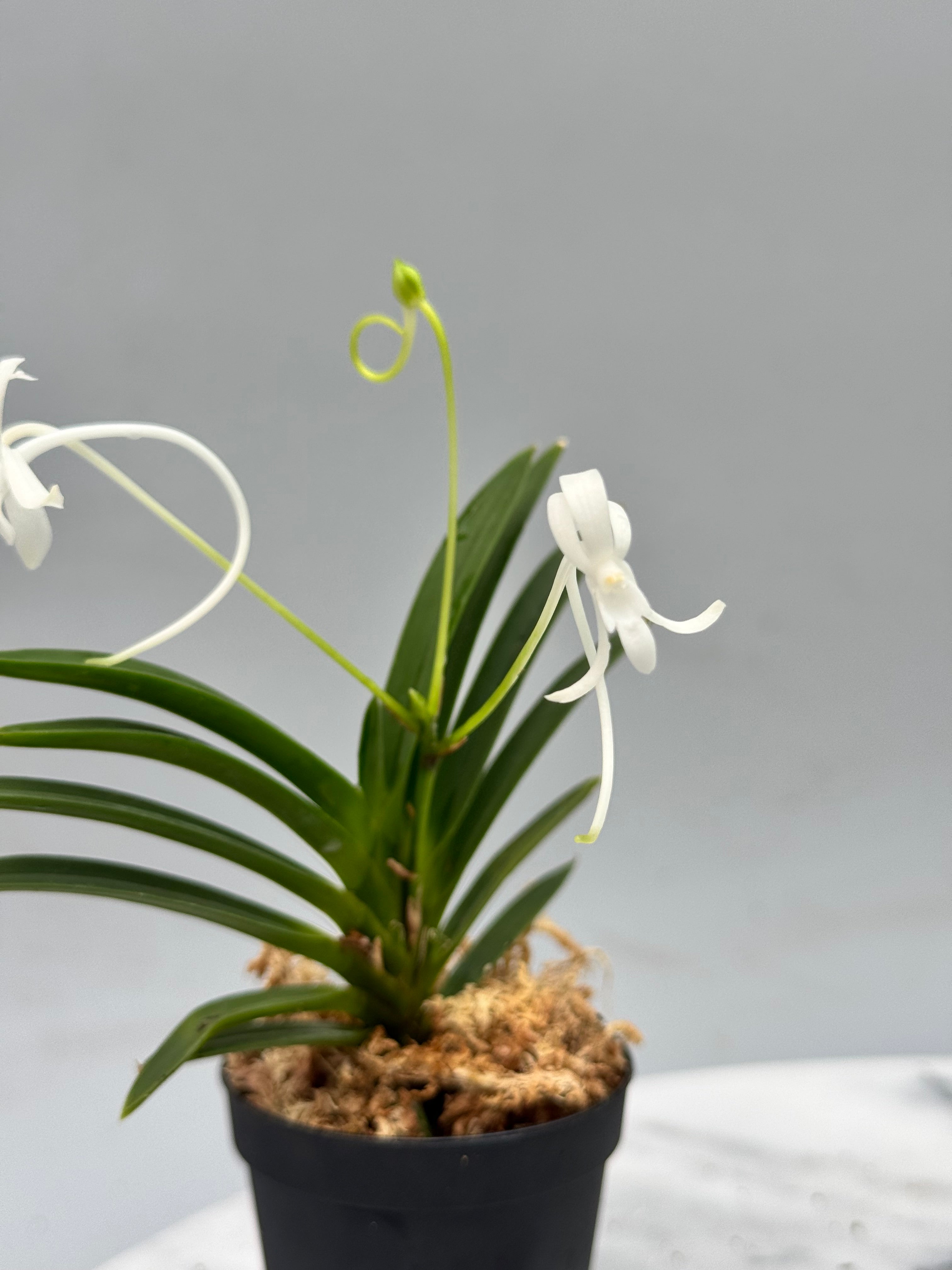
An orchid that does nothing for months and then suddenly blooms - that may not be a coincidence. Maybe that's its way of saying, "Now is the time."
A leaf that is getting lighter or drooping - who knows, maybe that's a sign of fatigue.
And a plant that is doing well, growing and blooming quietly - that is also a message. A silent confirmation that it is right, right where it stands.
Plants are not people. But that doesn't mean they have nothing to say. Perhaps they say just enough - if we are willing to listen.